High and sticky inflation changes the job. Hedging is no longer a passive bet on nominal duration offsetting equity risk. The task shifts to managing real yield. It also means reading market signals with care. It means picking tools that work for different horizons.
What “hedging inflation” actually means now
Inflation lifts nominal yields and moves real yields around. That break in the link upends the simple stock–bond barbell. Daily breakevens and real yields from the Federal Reserve’s TIPS dataset let you see that hinge in motion. It tracks estimated real curves and implied inflation compensation the Federal Reserve’s TIPS yield and breakeven series.
The classic 60/40 counted on bonds to rally when growth faltered. With inflation shocks, nominal bonds can fall with equities. Real yields can rise while inflation risk stays priced. That is why large allocators advise more flexible fixed income and explicit inflation hedges, including inflation-linked bonds and commodities, to manage both duration and real-yield risk BlackRock’s view on the path for inflation.
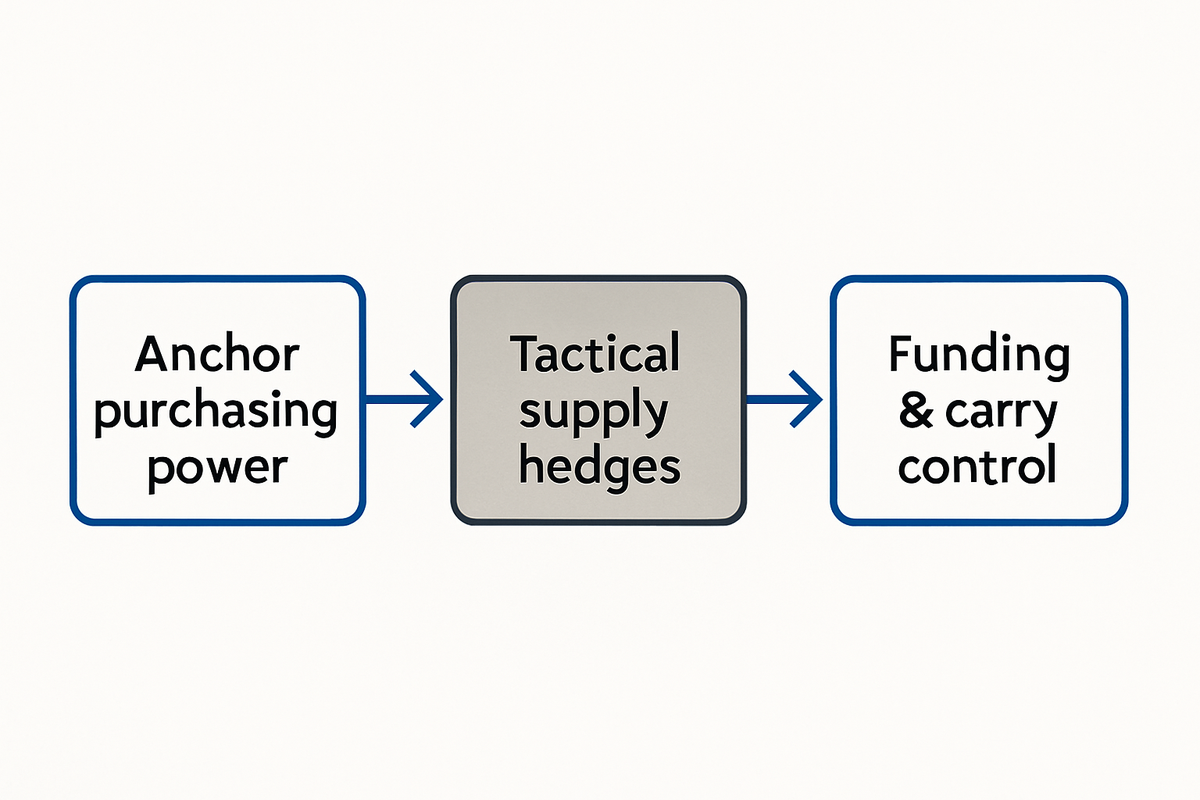
So “hedging inflation” today means three linked tasks. Anchor long-run purchasing power. Defend against supply shocks and fund the hedge with tolerable carry and volatility.
Why it matters now: a supply-driven, uneven cycle
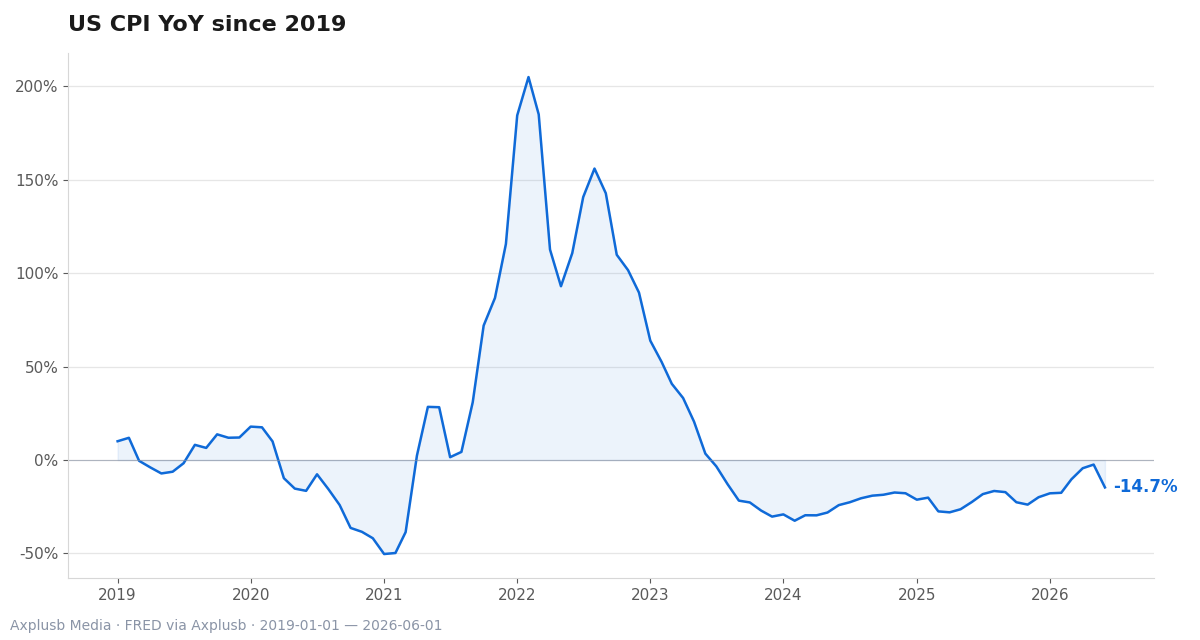
The current cycle has large supply constraints. Energy, freight, and specific industrial inputs have been bottlenecks. That keeps inflation sticky and raises real-yield uncertainty, according to institutional analysis BlackRock’s path-for-inflation work.
This supply tilt changes which hedges work. Commodities tend to move fast on supply shocks, but the response is uneven across sectors. Metals can act very differently from energy when supply pipelines and capex diverge.
That unevenness also affects horizon. A commodity hedge can help around a supply shock, yet its strength fades over long horizons. That is why portfolios need a core real-yield anchor plus tactical layers that can ramp up when supply stress flares.
The instruments and what their prices are telling you
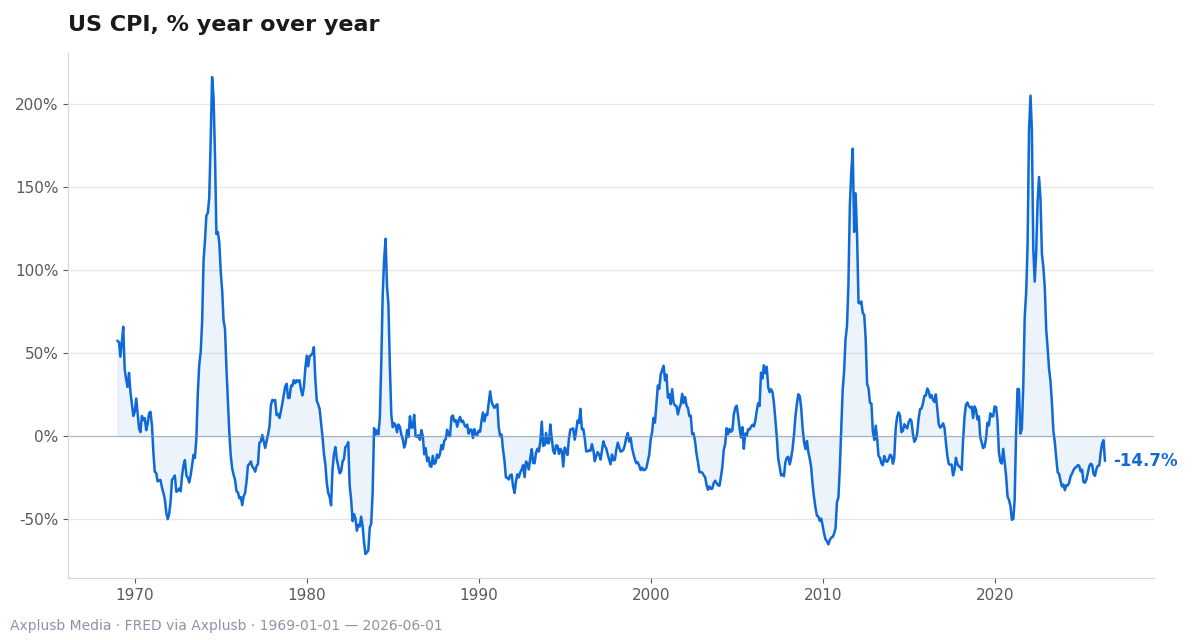
You have a familiar toolkit. TIPS, breakevens, inflation swaps, commodity futures and equities, options overlays, and trend or macro strategies. Each tool brings some signal and some noise you must strip out before acting.
Breakevens are a good first read on the market’s inflation view. They are not a pure forecast of future CPI. A Federal Reserve staff study breaks breakevens into expected inflation, an inflation risk premium and a liquidity premium that can be large in stress. That makes breakevens useful but imperfect as a timing signal for hedges.
Commodities send supply shocks quickly. They also have roll costs, long drawdowns and no cash income. Equity sleeves tied to commodity producers add balance sheet and equity beta and can dilute hedge quality when growth shocks join the party.
Trend and macro strategies deserve a look. In out-of-sample tests and practitioner work, price-trend signals and diversified macro exposures helped when stock–bond diversification failed. A leading study finds a mix of real assets and trend strategies can improve inflation outcomes when equities and nominal bonds do little for short-run inflation risk AQR’s white paper on diversification failure.
Signals vs. premia: separating what the market knows from what it pays you
Watch the real yield from TIPS, not just the breakeven. A rise in real yields can hurt both stocks and bonds at once and can make a pure duration hedge fail in an inflation shock. The TIPS dataset gives the real side of the move in a clean series you can track daily the Fed’s real-yield curve estimates.
Then treat breakevens and inflation swap rates as a sum of expectations and premiums. Liquidity and term structure matter. You can be right on inflation and still lose money if the premium compresses or the hedge maturity is off.
Common misconceptions and the corrective evidence
Misconception 1: “Breakevens are the market’s unbiased inflation forecast.” Evidence says otherwise. The Federal Reserve research shows a liquidity premium and an inflation risk premium inside breakevens that vary over time and by tenor. So a breakeven can fall because liquidity improves or the premium shrinks, even if long-run expectations barely move.
Misconception 2: “Commodities are a permanent long-run hedge.” Long-horizon studies find commodities hedge short-run inflation shocks well, but the effect fades at longer horizons. Supply and liquidity constraints also reduce reliability. This is why a commodity sleeve should be tactical and sized with care, not a blind permanent hedge.
Misconception 3: “Nominal bonds always diversify inflation risk.” In inflationary episodes, equities and nominal bonds can struggle together. Practitioner work shows short-term inflation hedging from those two is limited. Diversified real assets and trend exposure can help when the stock–bond pair fails AQR’s evidence on limited bond diversification during inflation stress.
Horizon-aware hedge design: mixing core and tactical exposures
Start by matching tool to horizon. Use inflation-linked bonds as the core long-run anchor for purchasing power. Then add tactical tools for supply shocks and regime shifts.
Inflation-linked bonds map cleanly to long-run inflation. They also move with real yields. Large allocators recommend holding them as a base and pairing them with flexible fixed income that can handle duration and real-yield swings BlackRock’s allocation guidance on inflation-linked bonds.
Commodities and commodity equities act as tactical shock absorbers. They help when the bottleneck is real, not mainly demand-driven, yet they need skill in sizing and timing. A diversified macro or trend sleeve can capture big turns and cut reliance on point forecasts when regimes change.
| Instrument | Best horizon | Primary role | Key caveat |
|---|---|---|---|
| TIPS / linkers | Long-run | Real-yield anchor | Sensitive to real-rate shocks and liquidity premia |
| Breakeven swaps | 1–3 years | Express inflation view | Expectations vs. premia hard to separate in stress |
| Commodity futures | Months–quarters | Supply-shock hedge | High volatility, roll costs, no income |
| Commodity equities | Months–years | Equity-access to commodity beta | Equity beta, balance sheet risk |
| Trend/macro | Variable | Regime and tail risk hedge | Model risk, whipsaws in range-bound markets |
| Flexible FI | Ongoing | Manage duration and curve | Requires active risk management |
Sizing and decay: how much and for how long
Let horizon guide size and keep TIPS or linkers as a standing weight. Scale commodities around supply shocks and macro momentum because their hedge power decays with time. Use trend signals to enter and exit and stick to a stop-loss plan when momentum fades.
The mix should also reflect funding cost and volatility. Commodity hedges can be costly to carry and are often choppy. That makes a rules-based overlay helpful for discipline and for cutting exposures when the regime cools.
Derivative overlays, volatility premia and timing signals
Options can change the cost and shape of a hedge. You can buy convexity around key events or sell volatility when it is rich to fund other hedges. These trades need strong controls because liquidity can vanish and model error can bite first.
Commodity and commodity-currency volatility premia have shown power to predict future commodity returns in post-crisis data. That opens a door to using VRP metrics to time or size commodity hedges or to consider structured overlays that harvest volatility premia when conditions are right. Gold-related volatility premia have also been found predictive for precious metals returns, which can inform precious-metals sleeves.
These tools echo a broader lesson from macro trend strategies. Price trends and volatility signals can complement real assets when inflation is high and uneven. They can also cushion the cost of carry for hedges that otherwise bleed during quiet periods.
Measurement, decomposition and backtesting best practices
Build your own daily series. Pull real yields and implied breakevens from the official TIPS yield curve dataset. The dataset provides smoothed curves and clear documentation for revisions and methodology the Fed’s TIPS dataset and documentation.
Split breakevens before you act. Break them into expectations, an inflation risk premium, and a liquidity premium using the Federal Reserve’s framework. Do not treat a move in the headline breakeven as clean information without this check, especially in stressed liquidity.
Backtest by horizon and run rolling windows for months, quarters, and years. Split the sample by regimes and use robust testing to avoid overfitting and to stress-test entry and exit rules. For practical methods, see our guide to Advanced Backtesting Techniques for Quantitative Strategies in Uncertain Times.
Finally, judge the hedge as a portfolio citizen. Measure drawdown impact, funding cost, and tail correlation. If you add trend overlays, test them with realistic slippage and whipsaw costs and apply the same review used in Advanced Techniques for Managing Portfolio Drawdowns in Volatile Markets.
Implementation frictions, liquidity and operational constraints
TIPS markets can be thin when stress hits. Liquidity premia widen and the mark-to-market gets noisy. Stagger maturities, avoid forced selling, and consider using breakeven swaps where market depth is stronger.
Inflation swaps offer clean exposure to inflation compensation, but they are not immune to liquidity shifts. Pricing can move on balance sheet and term premia changes, not just on inflation news. Use conservative sizing and align hedge tenors with liability or risk-horizon dates.
Commodities bring roll costs and storage effects. They also have no income and high volatility, which makes position sizing critical. If you use listed equity as a proxy, remember you add equity beta and company risk on top of the commodity factor, and that can soften the hedge in a growth scare.
Large-asset-manager research underlines a practical route. Mix inflation-linked bonds with commodities and flexible fixed income. Layer trend or macro strategies to react to regime change BlackRock’s allocation perspective on flexible FI and real assets.
Trade-offs and counterarguments investors should weigh
Hedges are not free and many have negative carry or higher volatility. A commodity hedge can bleed for months and a trend overlay can whipsaw in range-bound markets.
Correlation is a moving target. In inflation shocks, equities and nominal bonds can both suffer, which is why passive diversification is not enough. Even real assets can disappoint when a growth shock lands on top of a supply shock.
Liquidity and premiums can swamp the signal. Breakevens can shrink when liquidity improves even if expectations do not. Commodities can fall on better supply prospects before inflation shows in the data, and that lag is costly if the hedge size is too large.
Still, the case for active hedging is not about certainty. It is about owning tools that work in different ways and timeframes and about testing them with the right data and rules. Done with discipline, that mix can improve outcomes when the stock–bond pair is no longer a hedge.
Practical checklist and toolbox for portfolio teams
– Monitor daily TIPS real yields and breakevens from the official dataset, and alert on large decomposed moves, not just headline shifts the Fed’s TIPS and inflation-compensation series. – Decompose breakevens into expectations, inflation risk premium, and liquidity premium before adjusting hedges, following the Federal Reserve framework for signal quality. – Backtest hedges by horizon and regime, and use robust methods to prevent overfitting, as outlined in our advanced backtesting guide. – Size commodity exposures with volatility and trend signals, and consider funding with option overlays when volatility premia are rich. – Keep a roll-cost and liquidity playbook for each commodity or proxy, and pre-approve alternates such as swaps, ETFs, or producer equities. – Maintain a flexible fixed-income sleeve to adjust duration and curve exposure as real yields move, in line with institutional allocation practice BlackRock’s inflation management guidance. – Review hedge performance at two cadences. Monthly for carry and tracking error. Quarterly for regime fit and drawdown impact, using methods from Effective Hedging Strategies in a High-Volatility Environment.
Check how disciplined your portfolio really is. Run a quick audit of your inflation hedge.
Related reading
- Advanced Backtesting Techniques for Quantitative Strategies in Uncertain Times
- Advanced Techniques for Managing Portfolio Drawdowns in Volatile Markets
- Effective Hedging Strategies in a High-Volatility Environment