Central bank digital currencies sit in a curious space for investors. They are not live, tradable assets, but their design will change how money moves and how risk prices. That is why the definitions and the levers behind them matter for future portfolio decisions.
What we mean by a CBDC and why definitions matter
A CBDC is a digital liability of a central bank. It is issued by the monetary authority and denominated in the national unit of account. The key is that its economic effects hinge on design choices set by policymakers.
The Bank for International Settlements set three clear principles for any CBDC. It should not harm monetary or financial stability. It should coexist with other forms of money. It should support innovation, as laid out in the BIS foundational principles.
Definitions get more precise when you add real levers. A CBDC can be token based, like digital cash, or account based, like a central bank checking account. It can pay interest, be tiered with holding limits, and include offline features, as discussed in the ECB report on a digital euro.
The U.S. context sharpens the trade space. A retail CBDC could speed up payments and widen access. It could also affect bank funding and privacy risk. The Federal Reserve 2022 paper sets these pros and cons side by side and links them to policy transmission.
Why CBDCs matter now for investors and markets
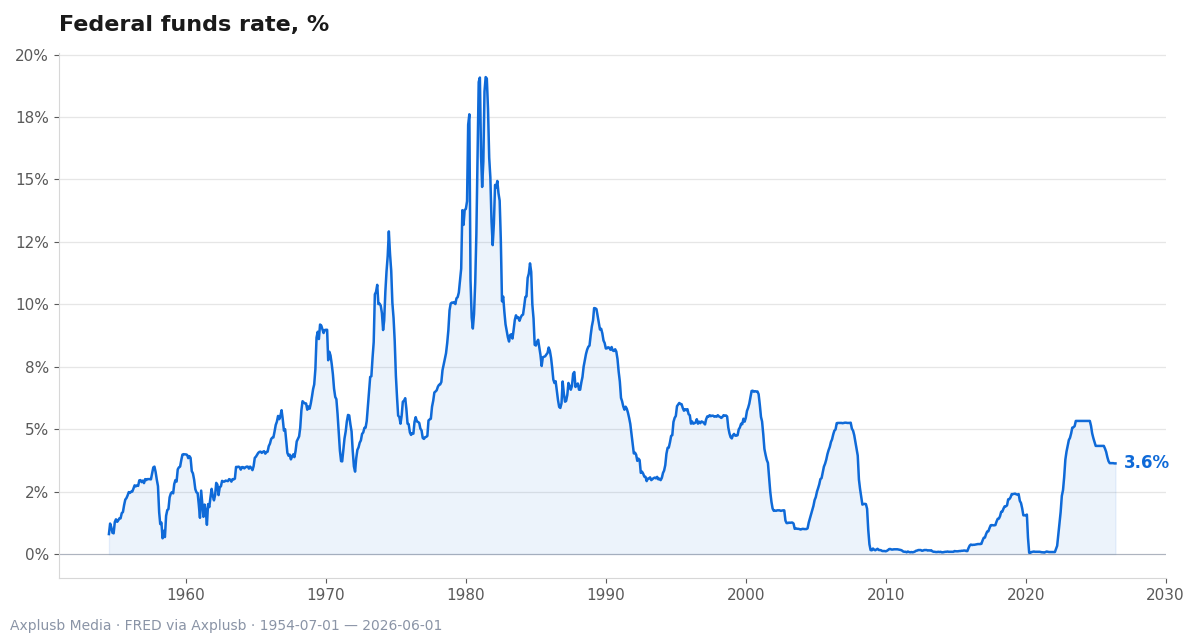
Cash use keeps sliding, and digital payments keep rising in major economies. The ECB notes a digital euro could backstop declining cash and support the digital economy. That is a structural shift, not a passing trend.
Industry voices focus on market plumbing. One leading asset manager says that tokenization and programmable money can cut settlement frictions and broaden access. They also flag likely demand shifts toward short‑dated high quality liquid assets as the rails evolve.
Policy choices shape these shifts. The U.S. debate weighs payment gains against risks to bank intermediation. The ECB frames a digital euro as both a payments tool and a potential new channel for policy.
Investors do not need to guess blind. Prior work on portfolio impacts gives a base to build from. See The Impact of Central Bank Digital Currencies on Traditional Portfolio Strategies for a complementary angle.
Policy design levers that will shape portfolio risk
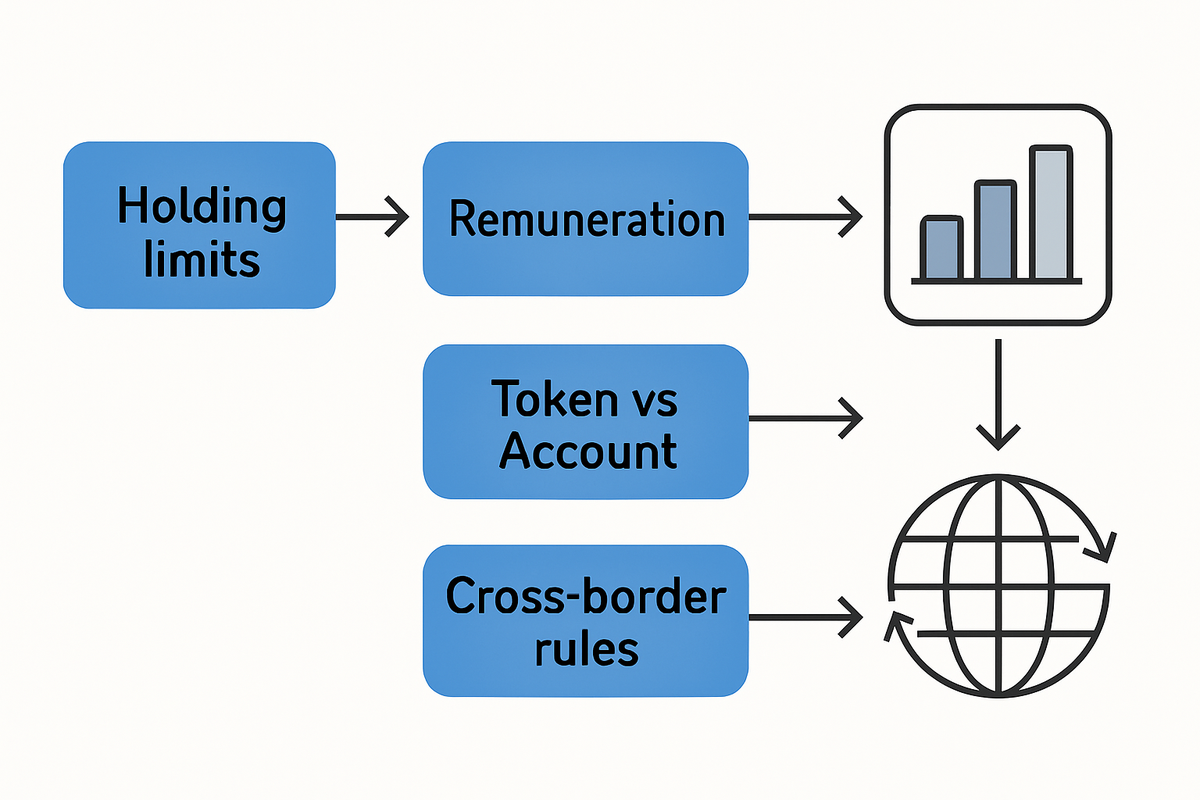
The levers are few, but they cut deep into market structure. Each lever links policy goals to portfolio risks that can be modeled. The rows below map design to likely investor channels.
| Design lever | Policy trade-off | Stability mitigant | Likely portfolio channel |
|---|---|---|---|
| Holding limits | Access vs. bank funding pressure | Caps and tiered limits | Constrains deposit migration and dampens money market shifts |
| Remuneration | Transmission vs. disintermediation | Tiered or zero interest | Alters demand for deposits vs. bills and repos |
| Account vs. token | Compliance vs. cash-like privacy | Hybrid models and selective KYC | Drives adoption pace and liquidity preference |
| Offline capability | Resilience vs. complexity | Limited offline amounts | Affects cash substitution and retail float behaviors |
| Cross-border use | Efficiency vs. capital flow risk | Geofencing and rules | Influences currency area liquidity and FX microstructure |
The BIS approach frames these choices as trade-offs with clear safeguards. Limits, tiering, and offline features are cited as tools to protect stability and keep bank money in play. That clarity gives investors concrete variables for risk models.
Europe pushes on interest and privacy. The ECB explores how interest on a digital euro could steer adoption and shape transmission. Privacy must meet social norms and law. Those choices will change liquidity dynamics within the currency area.
Design is not only policy. Technical architecture matters because it defines how close to cash or deposits a CBDC feels. A token based, privacy preserving design can blunt deposit migration. An account based, interest‑paying model could pull funds from banks more readily.
How CBDCs transmit to asset prices, liquidity and yields
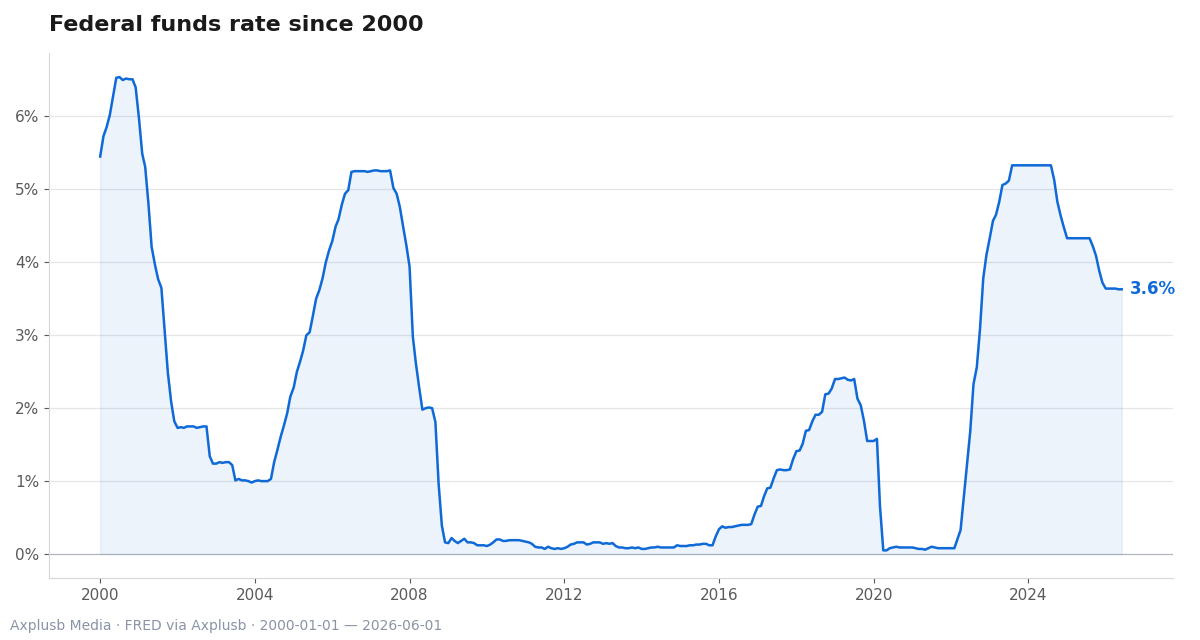
Transmission starts with deposit migration. The Federal Reserve warns that design choices could affect bank funding. That would raise banks’ funding costs and tighten credit if large shifts occurred. That pressure can spill into credit spreads and equity risk premia.
Next comes money market structure. If a CBDC is attractive for transaction balances, some deposits could reprice into short‑dated safe assets. Industry analysis says faster rails and tokenized settlement can lift demand for bills, repos, and other high grade liquid assets.
Bond yields do not float above the plumbing. A CBDC that pays interest could add a new policy rate floor in retail money. That would influence the very short end. The BIS emphasizes that CBDCs should not harm stability, so mitigants like tiered rates and limits are central to avoid sharp rate dislocations.
Liquidity is also about flow and netting. Better settlement can cut failed trades and lower working capital needs for funds. That can tighten bid‑ask spreads in liquid government paper and improve execution certainty across asset classes that use cash as collateral.
Investors can link these channels to their own books. Money market funds, bank preferreds, short duration credit, and payment‑sensitive equities sit close to the blast radius. For a high level primer on inflation links that may interact with these channels, see Digital Currencies and Inflation: Adaptations for Quantitative Investment Strategies.
Common misconceptions and behavioral frictions investors underestimate
Myth one is fast collapse of bank deposits. The policy record makes clear that central banks aim for coexistence and use mitigants like limits and tiering to avoid disintermediation. That intent narrows the tail risk from sudden runs into a CBDC.
Myth two is that privacy is binary. Token based designs can keep cash‑like privacy for small payments and still meet legal checks for larger ones. A well known technical proposal shows that cryptographic tools can deliver that mix. That would alter user adoption and, by extension, portfolio impact.
Myth three is uniform adoption. Trust, privacy preferences, and rules differ by market and by user group. That means uptake could be slow and lumpy. Investors then have time to adjust hedges and rebalance liquidity buffers.
Behavior matters as much as design. Communication by central banks and banks will steer expectations during pilots and rollouts. Investors should watch how those messages shape deposit behavior and demand for safe, short duration assets.
Scenario archetypes for portfolio modelling
Investors do not need a crystal ball. They need a small set of clear scenarios tied to real design choices. Three cases cover most of the space investors care about.
Case A is a token, cash‑like CBDC. It uses privacy preserving technology and pays no interest. Adoption is steady but modest, deposit migration is low, and money market impacts are contained by design.
Case B is an account based CBDC with interest. It pays interest, has generous limits, and offers fast retail payments. Deposits reallocate toward the CBDC in stress periods and at rate resets. That changes banks’ funding mix and lifts demand for very short‑dated sovereigns.
Case C is a tiered, regional rollout. A currency area introduces a CBDC with holding limits, interest tiers, and cross‑border rules. Domestic liquidity dynamics shift, especially in the short end. Cross‑border flows reflect the rules and the new transmission channel.
These archetypes sit on the sources’ design map. The BIS provides the safeguards that anchor A and C. The ECB explores interest and cross‑border effects used in B and C. The Federal Reserve highlights how bank intermediation risks rise in B and can be contained in A and C.
Empirical signposts and metrics to watch
You can falsify scenarios with real data and policy steps. The point is to pick measures that line up with the design levers and the market channels they touch.
– Official design announcements on holding limits, tiering, and offline features. Those choices map straight to the stability mitigants described by the BIS and guide deposit migration risk.
– Statements on remuneration policy and any retail rate floors. The Federal Reserve frames how such policy choices would affect monetary transmission and bank intermediation.
– High frequency bank deposit flows and shifts into money market funds. In a remunerated or high‑limit setup, watch for reallocation around rate decisions and stress events.
– Primary dealer and buy side demand for bills, Treasury repos, and other HQLA. Industry views expect demand to skew to short‑dated safe assets as settlement rails modernize and tokenization advances.
– Settlement fail rates and time to settle in pilot programs. Faster, more certain settlement should show up in lower fails and tighter short‑term spreads.
Do not forget cross‑border effects. The ECB flags cross‑border and liquidity implications for a digital euro, so pilot geography and access rules are key signposts. That is where currency area models will need careful updates.
Counterarguments and regulatory or contextual caveats
The strongest counterpoint is explicit in the policy record. Central banks state that CBDCs should not harm stability and must coexist with other money. That is a design constraint, not a loose aim.
Pilots will be phased and scoped. That lowers the odds of a shock to bank funding or to payment rails. It also gives banks and funds time to adapt systems and buffers to new flows.
Regulation will blunt extremes. Privacy, compliance, and operational rules differ across markets, and that affects how far and how fast adoption can go. This is why investor models should allow for long transition paths rather than a single switch.
Finally, communication can do real work. Clear guidance on limits, interest, and privacy reduces behavioral overshoot. That can flatten both deposit swings and short‑end volatility in the first years of any rollout.
Practical takeaways, risk management checklist and next steps
The best defense is preparation built on the actual levers. Start by adding CBDC variables to your macro and liquidity stress tests. Then link those variables to rebalancing rules so actions are automatic when signposts move.
– Map deposit migration elasticities to design choices such as remuneration and limits.
– Reweight liquidity buffers toward instruments that benefit from faster settlement and higher demand for HQLA.
– Add scenario overlays for token versus account models, with and without tiering.
– Monitor central bank consultations, pilot scopes, and published design decisions.
– Track bank deposit flows and money fund inflows around rate events and stress windows.
– Update cash management rules to reflect potential offline CBDC usage and operational risk.
– Engage with custodians and dealers on tokenized settlement readiness and netting gains.
Use the policy baselines as guardrails. The BIS principles imply stability mitigants that cap your tails. The Federal Reserve frames where bank funding risk could rise, so you can size your hedges. The ECB shows how interest and cross‑border features might play into liquidity dynamics.
Two small prompts before you close the tab. Stress test your short‑end exposures against a remunerated CBDC scenario. Then check how disciplined your liquidity playbook really is.
For a broader primer on investor impacts and taxonomy, see Understanding Central Bank Digital Currencies: Implications for Investors and a debate of the wider policy stakes in Central Bank Digital Currencies: The Future of Money or Government Overreach?.
Related reading
- The Impact of Central Bank Digital Currencies on Traditional Portfolio Strategies
- Digital Currencies and Inflation: Adaptations for Quantitative Investment Strategies
- Understanding Central Bank Digital Currencies: Implications for Investors
- Central Bank Digital Currencies: The Future of Money or Government Overreach?