Dynamic risk management is not one tool, it is a rulebook. It scales exposure when risk rises, insures against severe losses, forces portfolios back to target weights, and tests how they behave under strain. Think of it as a living risk‑governance system that blends volatility‑targeting, tail hedging, disciplined rebalancing, stress testing, and drawdown control into one coherent process.
The ingredients are not new, but the way they interact is the point. Volatility‑managed ideas from academic finance, practical rebalancing regimes from wealth management, and institutional hedging overlays now sit side by side. The aim is stable risk per unit of expected return, with fewer nasty surprises along the way.
What dynamic risk management means today
At its core, a dynamic framework revises exposures as conditions change. Volatility‑targeting scales positions inversely with recent realized volatility, which research shows can raise risk‑adjusted returns across asset classes. That is the anchor for many real‑world overlays and allocation rules.
In parallel, option‑based programs insure the portfolio against deep losses, while diversified overlays and defensive tilts pursue cheaper, though imperfect, protection. Rebalancing rules keep a portfolio’s risk close to its intended mix, instead of letting winners run unchecked. Formal stress tests round out the approach by checking how the whole structure holds under severe but plausible shocks.
The point is governance rather than point forecasts. A rules‑based system can coordinate these levers so that no single technique carries the entire burden.
Why dynamic approaches matter now
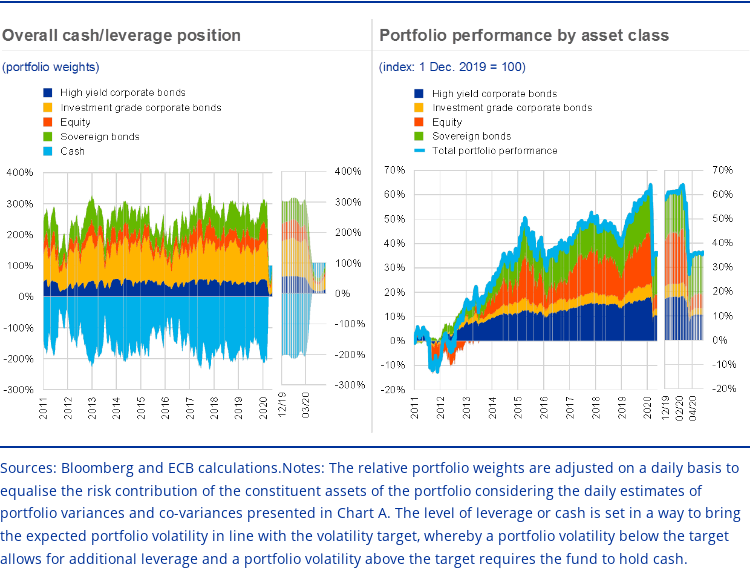
Three forces increase the value of dynamic risk management today. First, empirical work shows that scaling exposure to realized volatility can improve risk‑adjusted outcomes, which argues for making risk a target rather than a by‑product. Second, the market now includes large pools of volatility‑sensitive capital that adjust exposures mechanically, which can amplify sell‑offs when volatility spikes.
Third, regimes shift faster than many static allocations can tolerate. Stress‑testing frameworks developed for financial systems help investors design scenarios that are severe yet plausible, so they can set limits and buffers before trouble hits. That combination makes a static set‑and‑forget policy look brittle.
To see the connection to long‑run risk outcomes, contrast “low risk” discussion with volatility management. For context on the return side, see The Volatility Paradox: Why Low-Risk Portfolios Outperform Over the Long Run.
The core techniques, clearly disaggregated
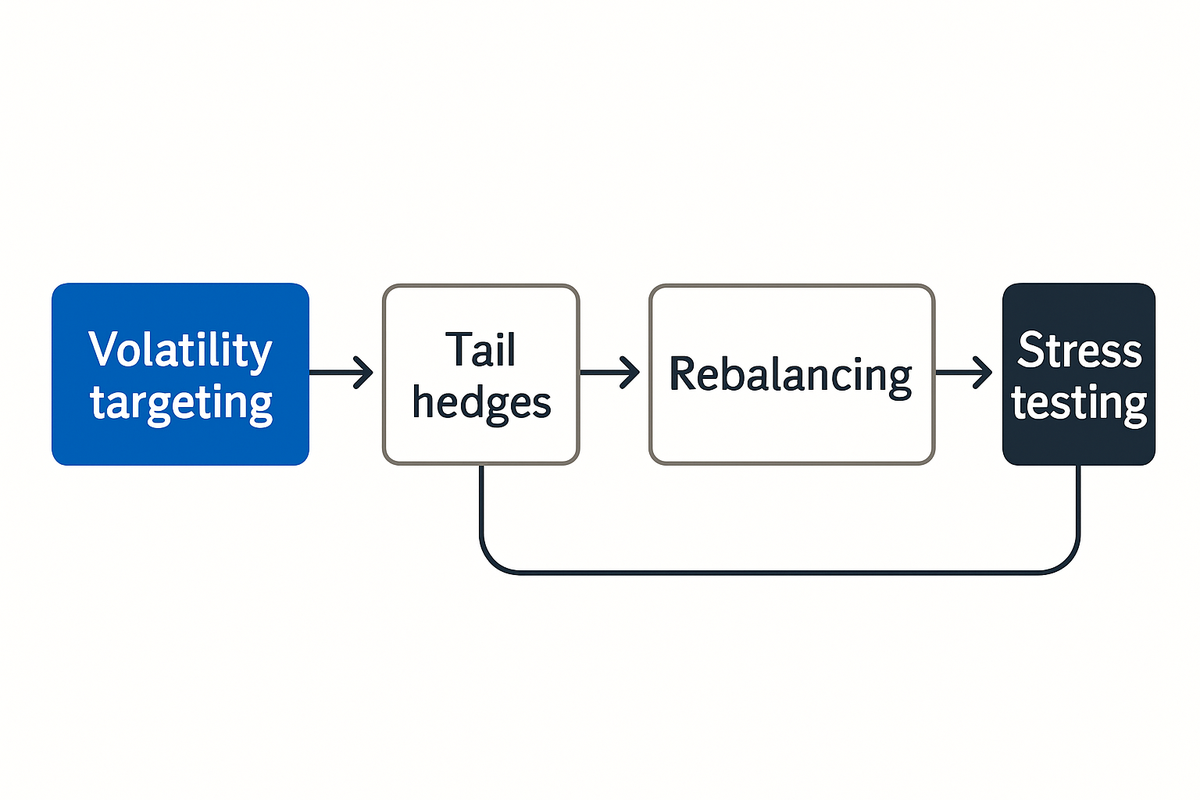
A robust program starts with clear mechanics. Below are the building blocks and how they operate in practice, not as headlines but as repeatable rules.
| Technique | Primary lever | Typical inputs | Key trade‑off |
|---|---|---|---|
| Volatility‑targeting | Scale position size to a risk target | Recent realized volatility window, target vol | Cuts risk in crises but may reduce upside when vol is low |
| Tail‑risk hedging | Buy or structure downside convexity | OTM puts, collars, cross‑asset overlays | Protection is episodic, carry cost can be high over time |
| Rebalancing | Reset weights to targets on rules | Time‑based, threshold, hybrid triggers | Risk control vs transaction and tax costs |
| Drawdown control | Cap portfolio loss paths | Max drawdown limits, defensive tilts | May crystalize losses or reduce participation |
| Stress testing | Simulate severe scenarios | Top‑down and bottom‑up frameworks | Model risk and calibration choices matter |
Volatility‑targeting
Volatility‑targeting scales exposure inversely with recent realized volatility. The empirical result is robust — managed portfolios tend to deliver better risk‑adjusted returns across asset classes when exposure is adjusted to a volatility target. That does not require forecasting, only measuring and enforcing a risk budget.
Implementation choices include the lookback window, update frequency, and whether to cap leverage. These choices affect both responsiveness and turnover.
Tail hedges and overlays
Direct protection uses options to deliver convex payoffs in stress. Buying puts can work well during severe drawdowns, yet is costly over long horizons. The long‑term record argues for hybrid approaches that include defensive equity, diversified overlays, or trend, which can be more cost‑efficient for sustained drawdown control.
A practical menu includes out‑of‑the‑money puts, option collars that trade off upside for cheaper protection, and cross‑asset overlays. Sizing rules, basis risk, roll costs, and counterparty risk define the implementation challenge.
Rebalancing regimes
Rebalancing preserves a portfolio’s risk profile by resetting to target weights. Time‑only rules, threshold‑only rules, and hybrids each balance the trade‑off between tracking the target mix and paying transaction costs. In volatile markets, thresholds and hybrids can improve risk control while containing turnover.
Practical details matter. Using cash flows to rebalance can reduce taxes and costs without drifting far from the target.
Drawdown‑focused protections
Many investors care more about the path than the endpoint. Drawdown‑focused protections define maximum tolerable losses over a horizon, then arrange overlays and allocation tilts to limit breaches. This can include stepping down equity beta at preset drawdown bands or layering option structures that trigger beyond a loss threshold.
The commercial logic is simple. Clients are loss averse and reference dependent, which means a deep dip can do lasting damage to behavior.
Formal stress tests
Stress testing adds discipline to “what if” thinking. Top‑down and bottom‑up methods quantify the impact of severe yet plausible shocks and can include macro‑financial feedbacks. This guides scenario‑based limits, liquidity buffers, and action plans.
Good practice starts with scenario design, continues with consistent calibration, and ends with decision rules. Testing should run across the full stack — asset prices, funding, and operations.
Common misconceptions and dangerous simplifications
“Volatility‑targeting is always safer.” Not quite. It cuts exposure when volatility spikes and can stabilize risk, yet large pools adjusting at once may force deleveraging that amplifies moves in a sell‑off.
“Buying puts is free insurance.” The convex payoff can be valuable during crises, but repeated premiums and roll costs erode returns over time. More cost‑efficient protection often blends partial options with diversified overlays and trend.
“Risk‑parity removes correlation risk.” The approach balances marginal risk across assets and often uses leverage to meet a volatility target. It still suffers when correlations break down, which is a well‑known practical risk of the style.
For a deeper look at why correlations can betray diversification, see Correlation vs. Diversification: Rethinking Risk in a Complex Market Landscape.
Empirical evidence and illustrative statistics
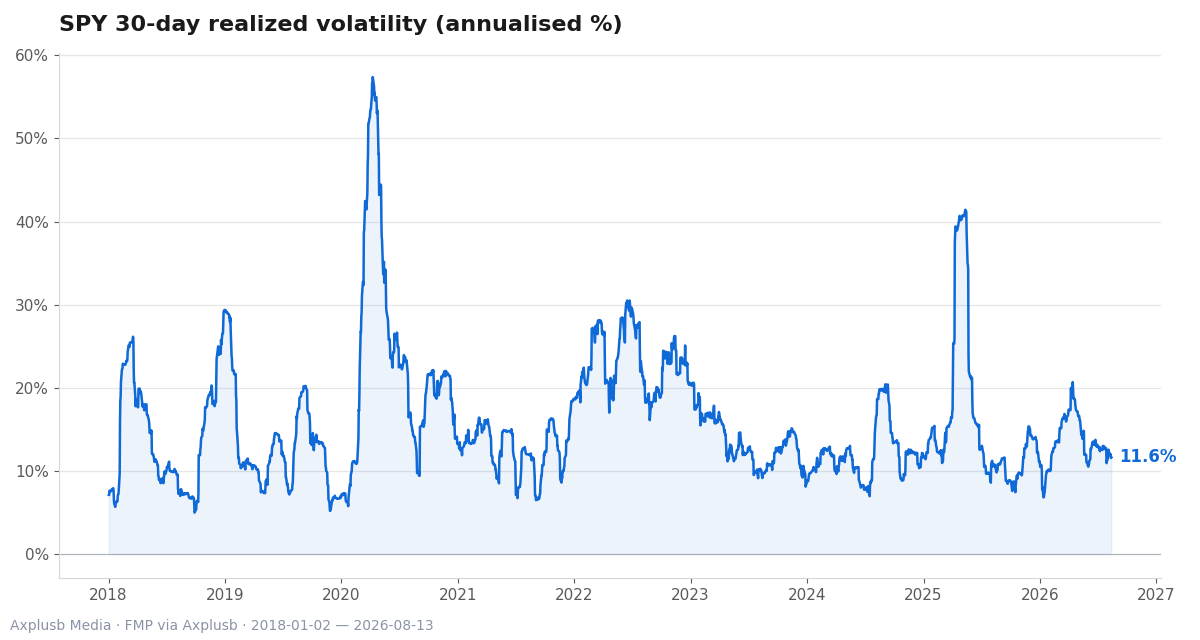
The case for volatility‑managed portfolios rests on data. Scaling exposure inversely to recent realized volatility has been shown to raise risk‑adjusted returns across several asset classes, and the evidence is robust to specification choices. That is a high bar for a simple, rules‑based technique.
Context matters in markets dominated by vol‑sensitive strategies. Estimates place the assets managed by volatility‑responsive approaches at up to about two trillion dollars, which means mechanical deleveraging can add to market pressure in sell‑offs. This is a risk governance issue, not a reason to abandon the tool.
Rebalancing delivers quantifiable risk control. Time‑based, threshold, and hybrid rules all preserve a portfolio’s target risk profile, while each shows trade‑offs between transaction costs and risk drift — the balance shifts as market volatility changes. The lesson is to tie triggers to a tolerance for deviation and to cost budgets.
These findings rhyme with defensive equity ideas and low‑volatility discussions. For the strategic link to long‑run risk and return dynamics, revisit The Volatility Paradox piece.
Trade‑offs, costs and implementation frictions
Tail‑risk programs face a predictable set of costs. Option premia, roll costs, basis risk between the hedge and the exposure, and counterparty risk shape realized outcomes. Practical guides emphasize sizing discipline and instrument selection to keep the balance tolerable.
Rebalancing and volatility‑targeting incur turnover and transaction costs. Thresholds, hybrid rules, and cash‑flow‑driven trades can lower these frictions while keeping risk on target. The more volatile the market, the more these choices matter for realized results.
AQR’s analysis provides the long‑term lens — direct option protection pays off in episodes yet is expensive to carry through calm regimes. That is why many institutions favor hybrid structures that deliver some convexity and some diversification, at a lower ongoing cost.
Hedging is also about breadth. Geopolitical risk, for instance, often transmits across assets and regions, which makes cross‑asset overlays relevant in practice — see Hedging Against Geopolitical Events for related techniques.
Systemic, governance and regulatory constraints
Rules that work in isolation can misbehave in aggregate. When many investors target a fixed volatility, a spike in realized volatility can trigger widespread deleveraging, adding to downside pressure. That systemic feedback loop is a design constraint for any mechanical strategy.
Stress‑testing frameworks help. They formalize scenario design, clarify the choice between top‑down and bottom‑up methods, and encourage the inclusion of macro‑financial feedbacks. This supports limits on leverage, buffers for liquidity, and escalation paths when conditions deteriorate.
Governance should link scenario outcomes to action. Severe‑but‑plausible shocks deserve pre‑approved responses, which reduces the chance of forced selling at the worst time.
Run a severe‑but‑plausible scenario before you add another overlay.
Behavioral drivers that shape demand and design choices
Investors dislike losses more than they value equivalent gains. That is loss aversion, tied to how outcomes are judged relative to a reference point, and it explains why drawdowns cause so much pain. It also explains persistent demand for protection that caps downside paths.
This behavioral reality should shape design. If a client’s reference point is the last statement high, a drawdown‑aware overlay, even if imperfect, may be more valuable than a higher expected return in the abstract. Communication and framing matter as much as the hedge.
AQR’s long‑term work on protection costs is a useful counterweight to fear. It shows why a hybrid architecture can satisfy loss‑averse preferences without paying the highest possible insurance premium each year.
For broader techniques that support better decisions under pressure, see Emotional Discipline: Strategies to Overcome Cognitive Biases in Investment Decisions.
A practical playbook: hybrid architectures, rules and KPIs
Bring the pieces together in a simple operating model. Use volatility‑targeting to stabilize risk per unit of capital, with a measured lookback and an exposure cap. Pair it with a partial options program sized to cushion large losses, and add diversified overlays that respond to trending stress.
Rebalance with a hybrid rule. For example, set a time‑based cadence, then only execute if weights breach a tolerance band, and use cash flows to reduce trades. This preserves the portfolio’s target risk while managing transaction and tax costs.
Formalize stress testing. Build a top‑down scenario set that is severe but plausible, and run bottom‑up checks for the most material holdings, then link breaches to escalation and action plans. This should sit next to a clear playbook for liquidity and counterparty checks.
Track what matters, not what is easy to measure. A compact KPI set keeps the process honest.
- Realized portfolio volatility vs target, with drift bands and breach counts
- Drawdown depth and duration vs policy limits, including near‑miss logs
- Hedge carry cost vs crisis payoff, measured as a rolling cost‑benefit
- Transaction costs from rebalancing and overlays, normalized by risk
- Stress‑test loss by scenario vs limits, with time‑to‑action stamps
- Leverage and liquidity metrics, including margin headroom by shock
Two final notes. First, set coordination rules so overlays and volatility cuts do not stack into accidental over‑hedging. Second, pre‑commit communications for drawdowns and stress scenarios to align expectations with the design.
Check how disciplined your portfolio really is.
Related reading
- The Volatility Paradox: Why Low-Risk Portfolios Outperform Over the Long Run
- Correlation vs. Diversification: Rethinking Risk in a Complex Market Landscape
- Hedging Against Geopolitical Events: Effective Techniques for Minimizing Portfolio Risk
- Emotional Discipline: Strategies to Overcome Cognitive Biases in Investment Decisions