Tokenized assets are often sold as a clean break from finance as we know it. In reality, they are digital claims that sit on a range of legal, technical and economic designs. The design details are what make them useful, or not, for investors.
What tokenized assets mean for investors
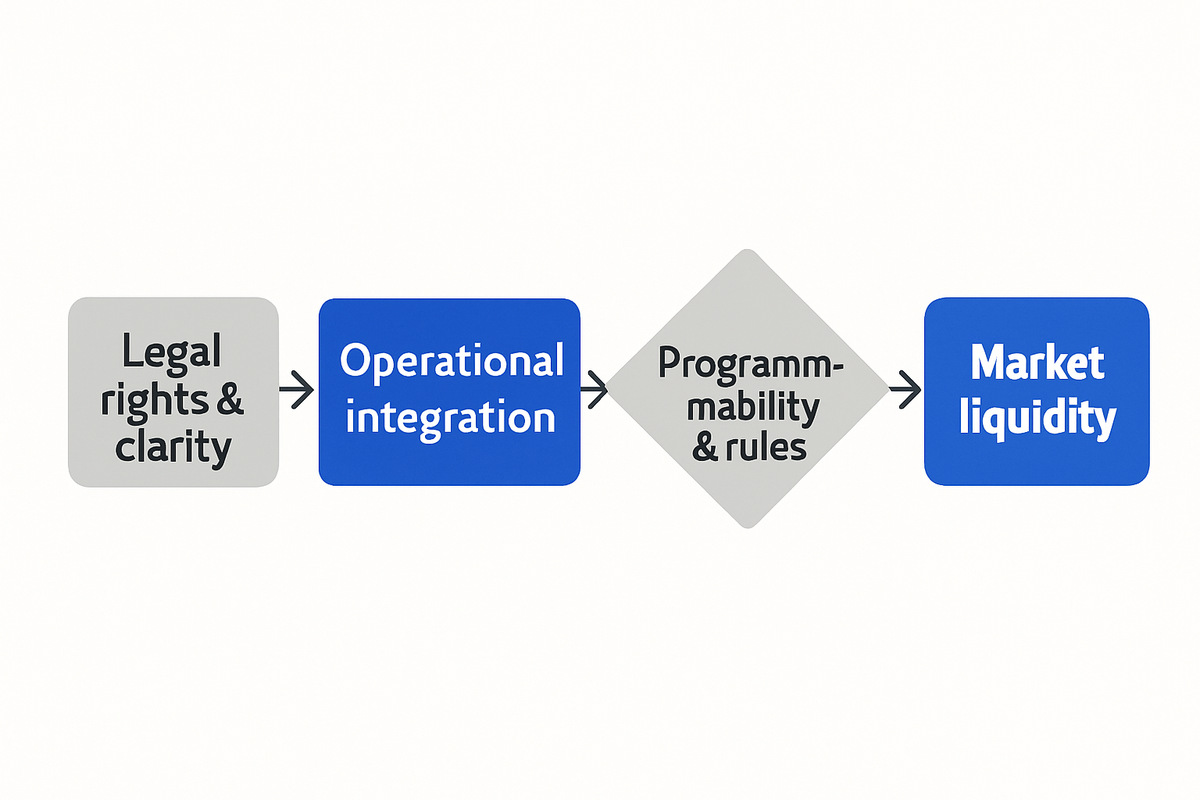
Tokenization is the process of showing ownership claims as digital tokens on shared ledgers. The Bank for International Settlements describes a range of trade‑offs where the biggest gains arrive only when legal and operations hurdles are crossed, not bypassed. See the framing in the BIS tokenisation continuum.
For investors, the draw is practical, not mystical. Large managers point to programmability, clear ownership records and the potential for near real‑time settlement. That menu appears in J.P. Morgan’s overview of tokenization features.
This is not a binary “onchain or offchain” decision. Each product fixes some frictions and keeps others in the old world. That is why the same label can cover very different risk and return profiles.
A spectrum, not a switch
Some tokens mirror existing legal instruments and add tighter plumbing. Others go further by coding rights and actions into the asset itself. The more rights and workflows you change, the more legal and governance work you face.
The BIS calls this the heart of tokenization’s promise. The highest value cases often need changes in contract law, custody and market structure. Those changes take time and coordination.
Why it matters now — infrastructure, scale and institutional buy‑in
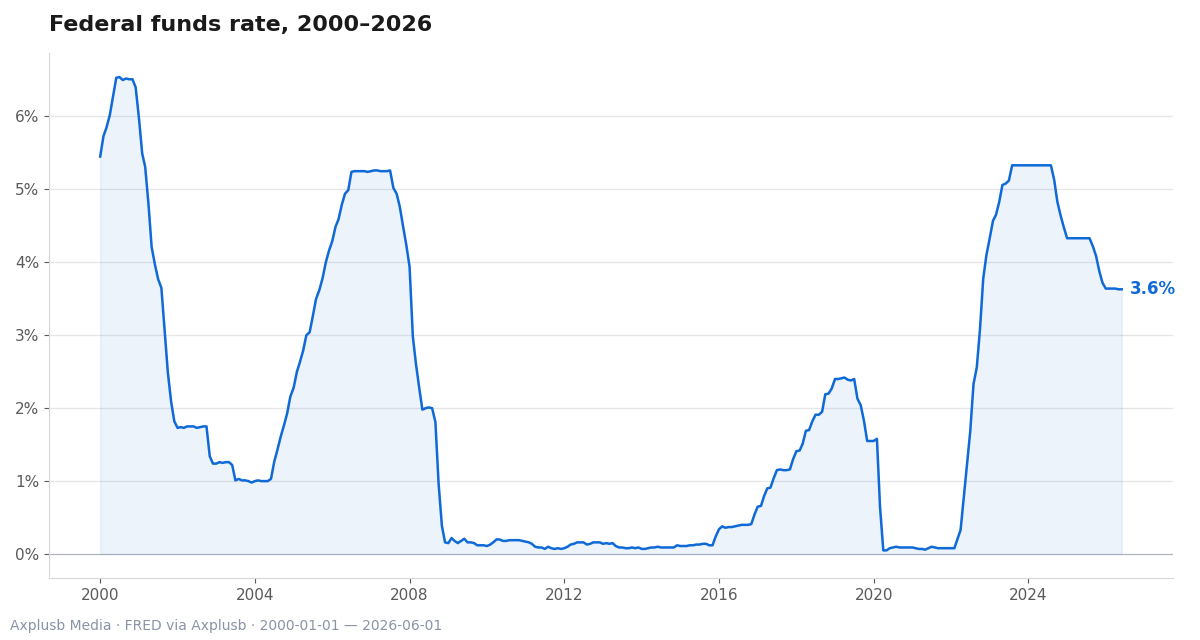
The last two years have been an inflection point. Institutional managers have moved from pilots to production in select products. Core market utilities have built rails that link tokens with existing custody. Those steps do not solve everything, yet they change the set of choices investors face.
One of the world’s largest managers has said that tokenization is a strategic focus. It also stressed that investor protections and regulatory clarity must anchor any rollout. That stance is explicit in BlackRock’s industry submission on tokenization.
Banks and asset managers are targeting near‑term, treasury‑friendly use cases. They point to tokenized money market funds and 24/7 liquidity windows as practical tools for balance sheet and cash management. Those are not headline‑grabbing bets, yet they matter for real portfolios.
Market infrastructure has also adapted. A major post‑trade utility has stood up a tokenization service connected to multiple chains. It ran live production trades in 2026 and signalled that secondary‑market rails are being built.
Common misconceptions investors should drop
Myth one: tokenization always brings liquidity. Evidence from live markets shows that liquidity outcomes vary widely by asset, platform and market design. If the underlying market is thin or the venue is closed, a token wrapper will not fix it.
Myth two: tokenization neutralizes legal risk. The BIS continuum makes the opposite point. The largest economic gains come when legal rights, investor protections and operations are re‑plumbed in step with the technology.
Myth three: intermediaries disappear. In practice, custody, transfer agents and post‑trade utilities are still central in most products. Roles may shift and some steps compress. Governance and accountability do not vanish.
Hype fades when you map a token to a legal claim and an operating model. That is where the risk and return of a product actually live. The wrapper is only a part of the story.
How tokenization works in practice — mechanics and product examples
A typical flow starts with issuance and registration. The issuer or a fund trustee defines the legal claim. Then they mint tokens that represent shares or units under that framework. A custodian records the assets that back those tokens. A transfer agent or smart contract manages balances.
Tokens can carry programmable rules. Settlement can happen continuously. Rules for redemptions, gates, or corporate actions can be coded into the asset. The appeal is faster transfers and fewer manual reconciliations. That is what J.P. Morgan highlights as 24/7 settlement and transparency.
Tokenized money market funds are the most mature example. In these products, the fund’s assets remain with traditional custodians. Investors hold tokens that map to fund shares. Operational benefits include faster settlement and finer control of access. Governance and investor‑eligibility rules still apply.
Post‑trade plumbing is the unsung hero. A central market utility that supports tokenized positions helps collateral move faster. It also keeps records in sync with custody. That, more than splashy headlines, is what makes secondary markets workable.
| Use case | Friction reduced | What to check | Primary beneficiaries |
|---|---|---|---|
| Fractional ownership of real assets | High entry tickets, slow transfers | Legal claim to cash flows, transfer restrictions, venue liquidity | Diversifiers and long‑term savers |
| Tokenized money market funds | Cut‑off times, T+1 settlement | Custody model, redemption rules, audit transparency | Treasurers and cash managers |
| Collateral mobility across venues | Manual reconciliations, daylight risk | Interoperability with core utilities, fails management | Active traders and lenders |
| SME financing in emerging markets | Thin markets, poor credit data | KYC/AML, standards, platform governance | Impact‑minded and EM allocators |
Opportunity set: where tokenization can genuinely add value
Start with diversification and access. Fractional claims let investors hold slivers of assets that were once reserved for large tickets. That can broaden the toolset for portfolio construction. We explored this in our diversification analysis of tokenized assets.
Treasury and liquidity management are next. Tokenized money market funds can offer faster settlement windows and clearer views of holdings. Managers see this as a practical edge for cash segmentation and intraday liquidity.
Emerging markets present a different path. Policy research argues that tokenization can help small firms build credit histories and tap capital through standardised rails. The effect depends on sandboxes, clear KYC standards and capacity building. Those elements anchor responsible access.
Large managers see client benefits in faster operations and better transparency. They also urge caution on distribution and investor protections. That mix of optimism and guardrails appears across institutional papers on the theme.
If you invest through thematic sleeves, pair these ideas with risk basics. Tokenization changes how assets move. It does not erase the need to assess cash flows, counterparty risk, and market depth. See our risk–return primer on tokenized markets.
Case studies and empirical evidence — what pilots and papers actually show
Real pilots are now public. A central post‑trade provider has executed production trades in tokenized assets. It has also tested multi‑chain connectivity. The aim was to validate settlement, collateral, and reconciliation workflows across old and new rails.
The lesson is not that every asset is ready. Where the underlying market is deep and the custody model is clear, tokenization tends to compress timelines without distorting risk. Where market design is fragmented, liquidity improvements are patchy.
Academic work echoes that nuance. Studies of tokenized real‑world assets report wide differences in trading activity and spreads by platform and asset class. That is a polite way to say design choices matter more than labels.
For the portfolio manager, this means due diligence must reach into mechanics. Test the venue’s market‑making design and redemption flow. Check how corporate actions are handled and how fails are resolved.
Regulation, custody and compliance — the guardrails that matter
The most useful checklist is short. Confirm the custody model, who holds the backing assets, and how investor rights are enforced. Verify AML and KYC standards and how they map to your own program.
Regulators have focused on these basics. Roundtables have examined how tokenized securities fit under existing law. They have also looked at what that means for custody, investor protections and market abuse controls. None of this is optional if you want durable products.
The BIS continuum is a useful map here. Legal clarity and operational reliability are not add‑ons. They are the entry ticket to the higher‑value end of tokenization’s spectrum.
Institutional whitepapers on tokenized funds say the same in practice. Governance, investor eligibility and oversight do not vanish because a ledger is shared. They are specified in documents. They are then reflected in code and process.
Investor psychology and adoption dynamics
A new wrapper changes how people feel about old risks. Prospect theory shows that loss aversion and framing shape choices. That effect appears most strongly under uncertainty. That is one reason retail uptake depends on trust, not only on features.
If a product is framed as “always liquid,” investors may overreact to periods of stress. They feel excess pain from small losses and may sell at the wrong time. Clear descriptions of redemption rules and gates help avoid that trap.
Institutions need the same clarity, just at scale. Safeguards and investor protections reduce ambiguity and support adoption. That balance appears in BlackRock’s emphasis on regulatory clarity and client protections.
Trust is built in layers. Legal documents, operational audits, and plain language all matter. Technical capability is necessary, yet never sufficient on its own.
Practical strategies and takeaways for 21st‑century investors
Treat tokenized exposure as a complement, not a revolution overnight. Pilot with small, measured allocations in products that sit on credible rails. Favor offerings backed by established custodians and connected to core post‑trade utilities.
Make liquidity a design question, not a hope. Ask how market makers are incentivized, how redemptions work on weekends, and how pricing sources are verified. Tokenization can extend access hours. That only helps if two‑way markets exist.
Demand regulatory clarity in writing. Confirm how securities laws apply, who your counterparty is, and how assets are segregated. Review AML and KYC flows as you would with any new venue.
Focus near term on treasury and cash sleeves. Tokenized money market funds can compress settlement cycles and improve transparency. That maps well to operational needs. Use them to learn the rails. They add concrete utility.
Diversify your venues, but simplify your oversight. Use platforms that can report into existing risk and accounting systems. Measure slippage, spread, and settlement fails for each product.
Two quick actions you can take this quarter. Start a controlled pilot allocation in a tokenized cash product, with pre‑set risk limits. Audit your custody and compliance stack against a one‑page tokenization checklist.
For deeper planning, connect the dots with risk research. Tokenized assets change access and process. Familiar risk rules still apply. See our guide to navigating digital‑asset risk in modern portfolios for a structured approach.
A compact checklist you can use
– Map the legal claim behind the token and who enforces it. – Identify the custodian and how on‑chain balances reconcile to off‑chain records. – Review AML/KYC, investor eligibility and redemption terms, including weekends. – Test venue liquidity, market‑making design and pricing sources. – Align reporting with your risk, accounting and audit systems. – Start small, measure, and scale only after operational proof.
Check how disciplined your portfolio really is. Make that a routine review.
Related reading
- The Future of Tokenized Assets: Impact on Portfolio Diversification Strategies
- Evaluating Tokenized Assets: Opportunities and Risks in a Digital Economy
- Navigating the Risks of Digital Asset Investments: Strategies for Modern Investors