Rising rates change the math and the mood. Bond prices drop, mortgages reset, and cash looks tempting again. The trouble starts when the mind treats a regime shift like a fresh rulebook.
This piece maps the traps investors fall into when rates rise, why they are seductive, and how to sidestep them with simple rules, better duration tools, and cleaner communication. It leans on recent household survey evidence, advisor primers, and classic bond maths, and it flags emerging field work on memory and misattribution.
What behavioral traps look like when rates rise
A rising-rate regime sharpens loss aversion. Households hear that borrowing costs jumped and they pull back spending, often reallocating portfolios at the same time. Large survey work has recorded that pattern and noted that people can also misread policy news, which adds to overreaction.
Attention shifts do part of the work. When interest news dominates, people bring rate talk into every decision, from mortgages to portfolios. Evidence shows that homeowners update faster and more forcefully than renters when mortgage rates rise, which creates distinct reactions across households.
Recency bias then joins in. Investors overweight the latest returns and stories, chase the sectors that held up last quarter, and ignore base rates. Advisor primers document that slide and give tactical fixes like preset rebalancing rules and cutting back on news flow.
One more likely force is biased memory. Emerging field work suggests people recall wins more than losses and draw brighter lessons from recent good times, which can feed overconfidence. That research is suggestive rather than settled, so treat it as a prompt, not a verdict.
Why this matters now
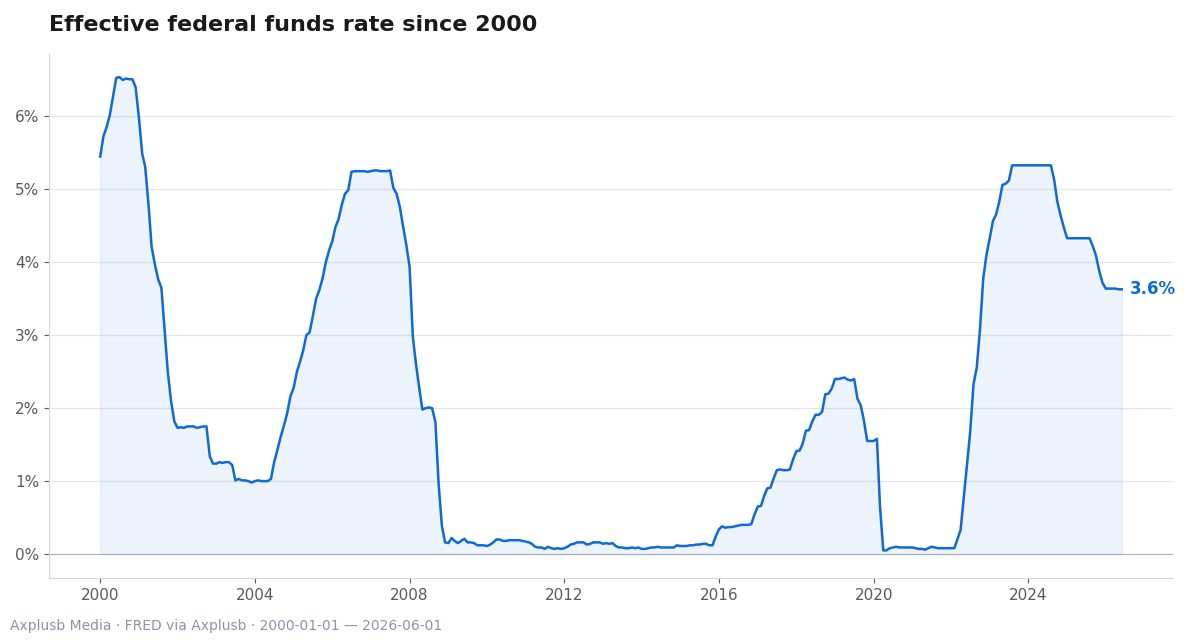
Higher policy rates change the menu. Cash yields rise, short bond funds look livelier, and mortgage resets feel very real. Institutions have leaned into this shift in cash and liquidity playbooks, highlighting money market funds and ultra short strategies for operational balances.
For everyday investors, moving everything to cash feels safe and clean. Yet client education warns that a wholesale move usually hurts long run outcomes and risks missing sharp rebounds. Cash has a role for bills, emergencies, and planned spending, not as a permanent refuge for long horizon goals.
Households react when they hear about rate hikes, even before personal finances change. Survey evidence shows that communication itself triggers spending cuts and portfolio changes. The same surveys have documented mistaken beliefs about the inflation impact of hikes, which can reinforce the urge to retreat.
Put these strands together and the stakes are clear. Higher for longer is not just a macro line, it is a behavioural amplifier. It highlights liquidity, magnifies fear of loss, and tempts people to make neat but costly switches.
The cognitive mechanics: recency, attention, self‑attribution, memory
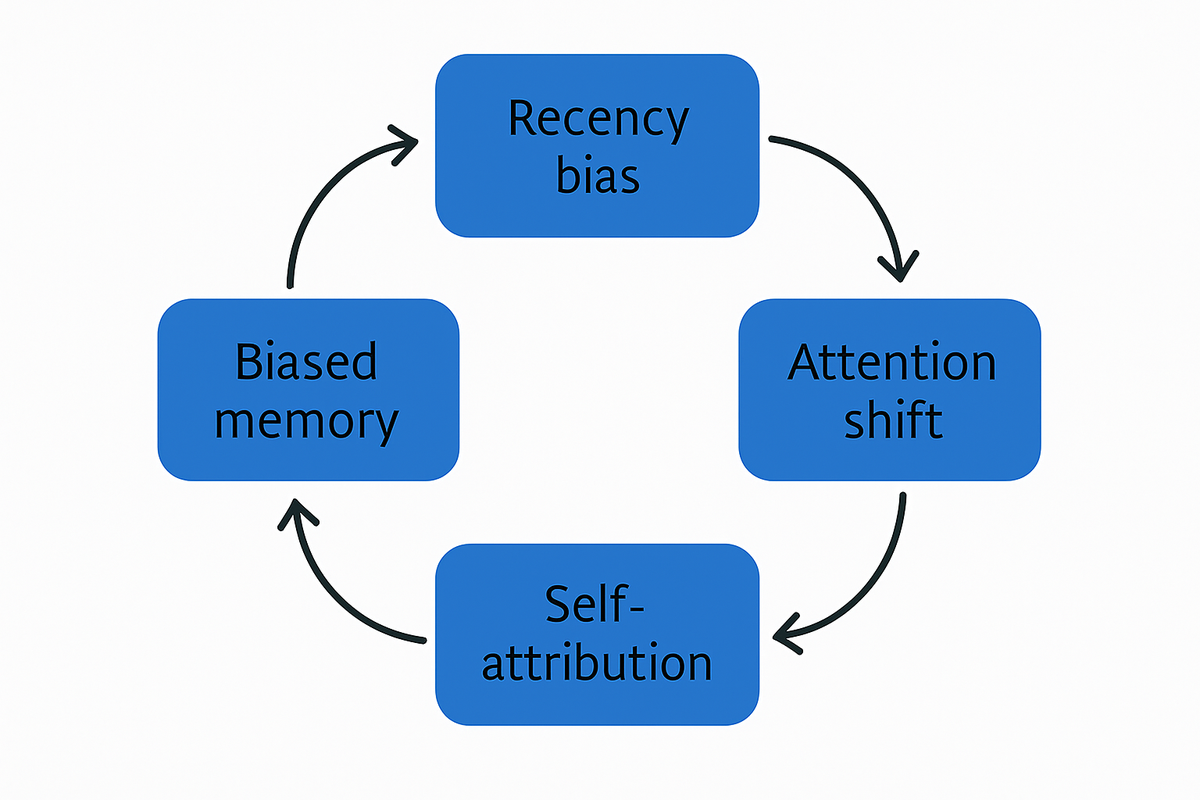
Recency bias is the headline act. When rates rise and bond prices sink, the mind inflates near term pain and discounts base rates for long term returns. Advisors see the results as sector chasing, selling after drops, and the familiar cycle of buy high, sell low.
Attention is the second lever. Households do not process macro news evenly. When mortgages become more expensive, homeowners watch rate news more closely and update plans sooner than others. That heterogeneity maps into different portfolio shifts across similar investors.
Self‑attribution adds fuel. A rally in a high yield savings account can feel like skill, which tempts more of the same. When the trend turns, the same investors may blame policy or markets and delay the next rotation because of loss aversion.
Memory bias sits behind the stage. Early evidence from the field points to selective recall and optimistic forecasting in good times. It is not a proof for every cycle, but it explains why rate regimes can imprint and linger in beliefs, long after the math has moved on.
For a broader primer on these dynamics in rate cycles, see Investor Psychology During Interest Rate Hikes: Strategies for Staying the Course and our survey of bias patterns across shocks in How Behavioral Biases Affect Decision Making During Economic Uncertainty.
How biases become portfolio mistakes
The playbook is predictable. Investors panic out of duration, sell bond funds after price drops, and move wholesale to cash. They chase last quarter’s winners across sectors and yield tiers, then reverse when the story changes again.
Cash is the cleanest case. Education pieces warn that going all cash often sacrifices long term returns and risks missing short, sharp recoveries, even though cash belongs in emergency and near term buckets. The impulse to “wait for clarity” is strong, yet clarity rarely arrives on schedule.
Bond math adds a second trap. Duration is a useful measure of rate risk, but it is imperfect when the yield curve bends rather than shifts in parallel. Classic work shows that multifactor or empirical duration can improve prediction of bond returns when the curve reshapes, which is common in active policy cycles.
Institutions see value in active cash, but they frame it as a tool, not a worldview. Elevated rates make money market funds and ultra short strategies sensible for operational needs. Execution, sweep tech, and cash ladders can help, yet they do not replace a long term plan.
| Bias or trigger | Typical investor move | Why it backfires | Better countermove |
|---|---|---|---|
| Recency bias after bond losses | Sell bond funds, move to cash | Miss rebounds, lock in losses | Rebalance to target mix on a schedule |
| Rate‑hike headlines | Shorten duration in one step | Non‑parallel curve shifts foil simple hedges | Use key‑rate or laddered duration tools |
| Yield envy | Chase the highest current yield | Ignore reinvestment and credit risk | Match cash buckets to time horizons |
| Self‑attribution after cash gains | Stay in cash too long | Opportunity cost rises over time | Set exit rules and review dates |
A deeper dive into duration helps anchor expectations. Ilmanen’s study shows why single number hedges can fail when parts of the curve move differently. Key rate durations, barbell structures, and floating rate sleeves can handle those shifts better than a blunt bet on a single duration point.
Tactically, cash is a tool to manage bills and known calls on capital. Institutions highlight money market funds, ultra short funds, and cash platforms for that purpose. Think of this as paying the right price for flexibility, rather than as a view on long term returns.
What the data and surveys actually show
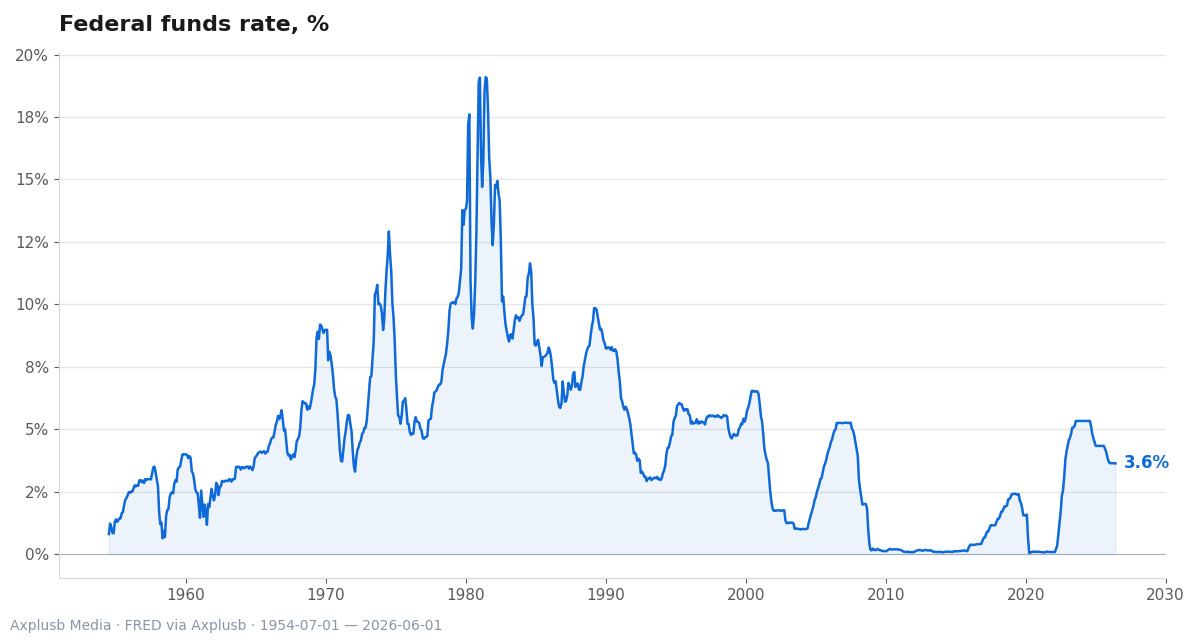
Large surveys of US households, covering roughly twenty five thousand people, report that rate hike news reduces planned spending and sparks portfolio reallocations. The same work notes that many respondents hold incorrect beliefs about the inflation impact of hikes. Communication changes the choices before balance sheets do.
Homeownership shapes those reactions. When mortgage rates rise, homeowners update expectations and adjust plans more than renters. The mechanism is attention and information, not only finances. That split should inform how advisors frame the same macro news for different clients.
On the institutional side, cash has earned a larger role in recent years. Managers point to higher policy rates and better cash vehicles as reasons to tighten active cash execution. The playbook pairs money market funds, ultra short bond funds, and sweep tech to meet liquidity and control duration.
In the background, emerging field research suggests a link between rising markets and biased recall, which boosts overconfidence. Treat it as a warning sign rather than a parameter. It helps explain why even disciplined investors may stray when a regime feels new yet familiar.
For a wider context on how inflationary regimes shape behavior, see Understanding Behavioral Traps: How Investor Psychology Influences Market Reactions During Inflationary Periods.
Counterarguments and alternative explanations
Not every move to cash is a mistake. Households need liquidity for bills, taxes, payroll, and contingencies. Education resources stress that cash is essential for short and medium term needs, which is different from a full retreat from risk.
Tactical shifts can also be reasoned. If your process uses ranges and review dates, a tilt toward short duration may reflect your rules. The risk is a blunt switch that assumes a parallel shift in the curve. Ilmanen’s work shows why that assumption often fails.
Duration can be managed with more nuance. Key rate durations let investors target risk at different maturities, while floating rate notes reduce direct exposure to hikes. A barbell mix of short and long risk can also improve how you ride non‑parallel moves.
Cash deserves active care at higher yields. Institutions recommend money market funds and ultra short funds to place operational cash and smooth liquidity. The idea is execution, not market timing.
A practical playbook to avoid the traps
Start with cash buckets. Define three tiers for bills and emergencies, planned spending over one to three years, and long horizon assets. Use money market funds and ultra short funds for the first two tiers, and keep them out of the third.
Enforce rebalancing and set a cadence. A fixed quarterly or semiannual schedule reduces the room for recency bias. Advisor primers add a simple tactic that helps — limit the news feed you act on and tie actions to prewritten rules, not to headlines.
Upgrade your duration toolkit. Do not rely on a single duration number when the yield curve is moving in pieces. Use key rate durations for hedging, add a floating rate sleeve, or build a barbell to absorb twists. Ilmanen’s analysis motivates that layered approach.
Tailor your messages to the household. Homeowners and renters hear rate talk differently. When you brief clients after a policy move, name the likely confusions and state how you will react, and when. Communication can reduce the impulse to switch for the sake of action.
Two final habits help. Put review dates on every tactical move and require a reason to stay past the date. Keep a simple decision log that records why a move was made and what would reverse it. Check how disciplined your portfolio really is.
For scripts and playbooks that slot into these steps, revisit Investor Psychology During Interest Rate Hikes: Strategies for Staying the Course and our broader guide, How Behavioral Biases Affect Decision Making During Economic Uncertainty.
Closing checklist: five steps to cut behavioral leakage
- Define cash by time: emergencies and near term bills in cash tiers, not long term assets.
- Set rebalancing and communication cadence, and stick to it even in noisy months.
- Prefer layered duration tools over single metric hedges, especially when curves twist.
- Tailor outreach by household type, noting how homeowners process mortgage news.
- Monitor fresh evidence and flag memory bias as a risk, not a forecast driver.
Share this with the client who wants to “just move to cash” until “things settle.” Most of the edge here is in the setup, not in prediction.
Related reading
- Investor Psychology During Interest Rate Hikes: Strategies for Staying the Course
- How Behavioral Biases Affect Decision Making During Economic Uncertainty
- Understanding Behavioral Traps: How Investor Psychology Influences Market Reactions During Inflationary Periods
In‑text references to external research: – The case against a wholesale move to cash draws on Vanguard’s investor education on volatility and cash. – The institutional framing of active cash uses BlackRock’s cash and liquidity guidance. – The limits of single number duration and the value of key rate approaches come from Ilmanen’s classic duration analysis at AQR.