Uncertainty does not only raise risk. It changes how we feel about the same risks and how we frame our choices. The result is a set of predictable mistakes that repeat across crises, even as the headlines change.
The pattern has a name. Prospect theory describes reference dependence, loss aversion and the way we weight probabilities, which together bend our choices away from strict expected value.
What we mean by behavioural biases in uncertainty
Prospect theory shows that people evaluate outcomes relative to a reference point, not in absolute wealth. The same outcome can feel like a gain or a loss depending on the frame. Losses loom larger than gains of the same size, and our sensitivity to changes tapers as we move away from the reference point.
The theory also explains probability weighting. People tend to overweight very small probabilities and underweight moderate ones. The certainty of a small gain or the possibility of a large loss can carry more weight than a neutral calculation would suggest.
At the market level, flows echo these perceptions. Analysis from the BlackRock Investment Institute links macro shocks, elevated volatility and shifts in flows, and shows how sentiment and concentration can create feedback loops. Individual psychology does not stay individual for long when conditions are stressed.
Core mechanisms that distort choices in bad times
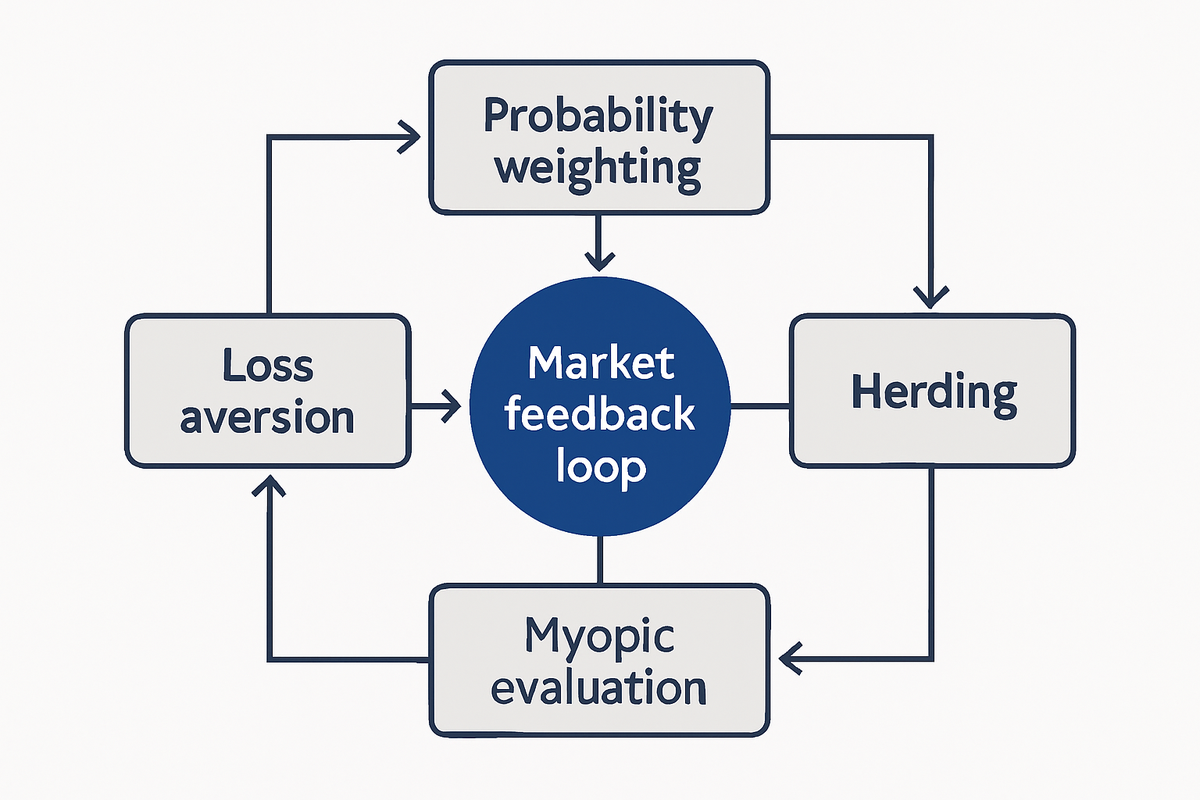
Downturns magnify a small set of biases. The core ones keep appearing in data and in practice: loss aversion and framing, probability weighting, myopic loss aversion, and herd and confirmation dynamics. Each one can turn a manageable drawdown into a costly decision.
The list is short for a reason. These mechanisms are foundational, and they interact. A fearful frame makes losses salient, probability weighting pulls focus to the worst tail, and the combination invites short‑term actions that sabotage long‑term plans.
Loss aversion and framing
Prospect theory’s S‑shaped value function captures why losses feel heavier than gains. A drop below the reference point can drive a disproportionate response compared with a rise of the same size. Frames matter because they set that reference point, whether it is last month’s balance or a recent high.
In recessions and panics, reference points shift fast. Investors often anchor on peak values, which makes normal volatility feel like a loss. Selling to stop the pain then locks in that frame.
Framing also shapes policy and institutional choices. The same asset can be presented as a discount or a risk, and the frame will tilt behaviour even when the facts are unchanged.
Probability weighting
Prospect theory also shows that people overweight small probabilities and underweight mid‑range ones. That bias gets stronger when uncertainty rises and extreme narratives dominate attention.
A tiny chance of a severe loss can eclipse a high chance of a modest gain. In markets, that can mean overpaying for insurance or fleeing risky assets entirely when the possibility of further decline is salient.
The reverse can happen with small chances of large gains. Investors may chase lottery‑like payoffs, even when expected returns do not justify it. The same weighting error is at work.
Myopic loss aversion
Myopic loss aversion blends two ideas: frequent evaluation and loss aversion. If you check too often, you see more losses, and the pain of those losses can push you to act against your plan.
Account‑level evidence from Vanguard’s dataset of about 5 million retail households shows that timing attempts are costly. The firm highlights how missing a handful of top‑return days materially reduces long‑run outcomes, a pattern consistent with short‑term, pain‑driven trading.
Practitioner reviews of the 2020–21 period echo this mechanism. The CFA Institute’s analysis notes myopic loss aversion during the pandemic era, along with missed buying opportunities when short‑term fear dominated long‑term discipline.
Herd and confirmation dynamics
Once anxiety peaks, social cues take over. The CFA Institute’s review documents herd behaviour, confirmation bias and recency effects in the COVID‑era markets. Investors searched for views that matched their fear and followed flows that seemed to confirm the trend.
Flows themselves can transmit and amplify these biases. BlackRock’s portfolio perspectives connect sentiment‑driven inflows and outflows with spikes in volatility and shifts in concentration. When many choose the same path, prices move more than fundamentals alone would suggest.
Herding is not a single thing though. Later evidence shows it depends on communities and events. That nuance matters for risk control.
| Bias or dynamic | What shifts under uncertainty | Typical behaviour in downturns | Main sources |
|---|---|---|---|
| Loss aversion & framing | Reference point becomes recent peak or last statement | Disproportionate selling to avoid pain; anchoring on high-water marks | Kahneman & Tversky (Prospect theory); CFA Institute review |
| Probability weighting | Small probabilities loom large | Overpaying for insurance; fleeing risky assets on tail fears | Kahneman & Tversky |
| Myopic loss aversion | Frequent evaluation magnifies loss salience | Timing attempts; missing top-return days | Vanguard How America Invests; CFA Institute review |
| Herd & confirmation | Social and narrative cues dominate | Flow-chasing, concentration, echo chambers | BlackRock Investment Institute; CFA Institute review |
| Heterogeneous loss attitudes | Not all investors are loss‑averse | Mixed reactions to the same shock | NBER Working Paper (Chapman et al.) |
| Event‑driven community herding | Herding local to assets and communities | Sudden, clustered trades in subsets | PLOS ONE (Nguyen et al.) |
Why it matters now: macro shocks, volatility and feedback loops
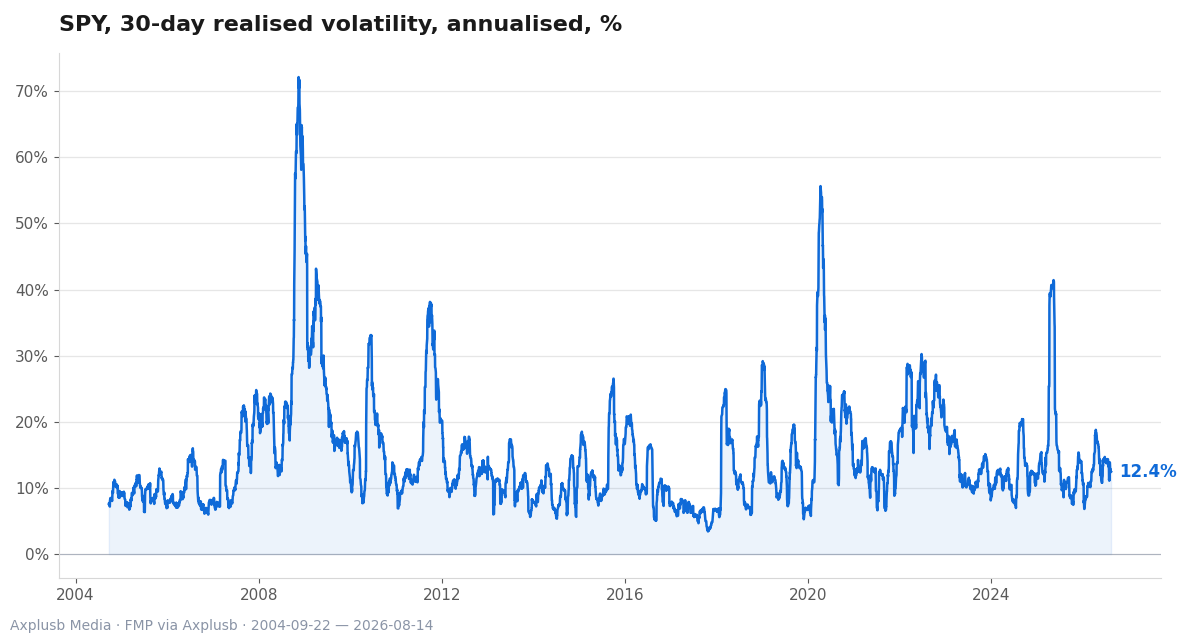
Shocks do not only test balance sheets. They test attention, patience and process. When volatility rises, probability weighting and loss aversion tend to take the wheel.
BlackRock’s analysis shows how sentiment can redirect flows when volatility jumps. Those flows then concentrate risk and amplify moves, which feeds back into fear and narrative. A loop forms, and it runs faster than fundamentals can update.
Vanguard’s work points to the cost at the household level. Attempts to sidestep turbulence often mean being out of the market during critical rebounds. The CFA Institute highlights how recency bias and confirmation bias made it harder to buy when prices were down, even for seasoned professionals.
These are not new errors, but the scale can be new. Digital platforms spread narratives faster, and flows can shift in hours. Process is the only counterweight.
Common misconceptions and where intuition fails
Two myths get in the way of better decisions. The first is that loss aversion is uniform and always strong. Survey evidence from a large representative sample shows substantial heterogeneity in loss attitudes, with many individuals loss‑tolerant rather than loss‑averse.
Those attitudes also correlate with cognitive ability and with past shocks. That means the same market event can elicit very different responses across investors. Treating the population as one mind leads to poor design of policies and products.
The second myth is that herding is monolithic and always irrational. Recent empirical work across stocks, ETFs and cryptocurrencies finds herding exists, but at subset and community levels and often around events. The pattern is heterogeneous, which fits with the idea that common information and shared constraints can look like a herd without implying pure imitation.
Both points share a lesson. Biases are predictable on average, yet noisy in the details. Robust process should respect both facts.
Case studies and data: COVID‑era markets and large account evidence
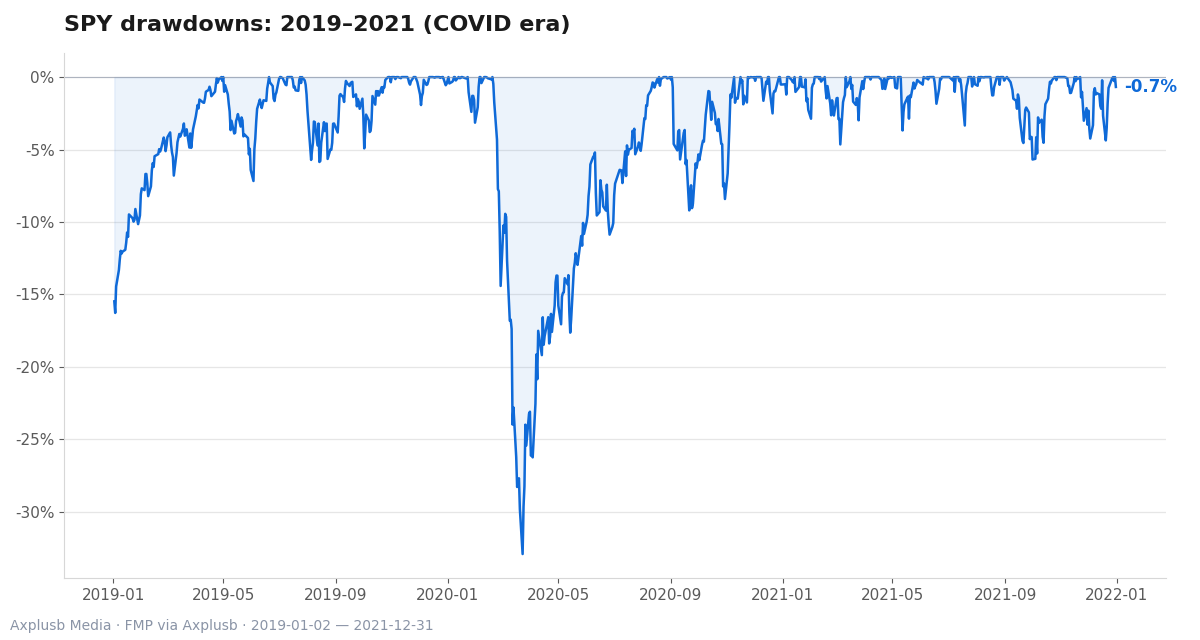
The pandemic period offered a live laboratory. The CFA Institute’s review documents myopic loss aversion, confirmation bias and herd behaviour during the COVID‑era markets, along with concrete examples of missed buying opportunities and subsequent excesses. It reads like a checklist of what not to do when headlines turn dark.
At the same time, the Vanguard dataset of about 5 million retail households provides a baseline of actual behaviour. The firm reports low trading frequency in general, yet shows that when investors do try to time markets, the cost is high. Missing a few top‑return days can drive large gaps in long‑run performance.
Flows and volatility moved together as well. BlackRock’s portfolio perspectives link macro shocks, elevated volatility and sentiment‑driven flows that helped concentrate risk. The channel from individual fear to market mechanics is visible.
The combination is sobering. Errors repeat across levels, from the screen of a single account to the tape of the whole market. That is why discipline, design and monitoring matter.
How aggregated biases transmit to asset prices and systemic risk
Micro behaviour scales up. When many investors frame losses the same way and update on the same headlines, trades cluster. BlackRock’s analysis shows how that clustering shifts flows and concentration, and how those shifts feed volatility.
Herding is part of the transmission, but it is not uniform across the market. The PLOS ONE study finds that event‑driven herding is often local to certain assets or communities and can differ across stocks, ETFs and cryptocurrencies. That heterogeneity explains why some segments whipsaw while others stay orderly.
Account‑level patterns matter too. If many households exit at once and re‑enter late, the aggregated effect is a drag on returns and a push on prices. Vanguard’s evidence on the penalty for missing top‑return days illustrates how individual timing attempts can turn into an aggregate performance gap.
In other words, psychology can be a macro amplifier. That does not make fundamentals irrelevant. It does mean that risk management must watch behaviour as well as balance sheets.
Counterarguments and alternative explanations
Not everyone is loss‑averse in the same way or to the same degree. The NBER evidence documents loss‑tolerant segments and links loss attitudes to cognitive ability and past shocks. That heterogeneity can cushion or amplify market moves depending on who reacts first.
Herding is also more nuanced than the label suggests. The PLOS ONE work shows that herding varies by asset class and community and is often event‑driven. Sometimes the crowd is processing the same new data rather than blindly following.
Prospect theory remains a useful descriptive baseline. It captures the shape of responses without prescribing a single fix. Policy and portfolio design should use it as a map, then add local detail from flows, surveys and community structure.
The takeaway is to resist the one‑size‑fits‑all story. Robust systems leave room for difference and still channel choices toward better outcomes.
Practical conclusions: tools, nudges and portfolio rules
Start with evaluation habits. Reduce the frequency of checking risk assets in volatile times to limit myopic loss aversion. Vanguard’s evidence on the cost of missing top days supports rule‑based participation over ad‑hoc timing.
Design your frames on purpose. Prospect theory reminds us that reference points drive perception, so present outcomes relative to long‑term goals rather than recent peaks. The same facts can look like a drawdown or a discount depending on the frame.
Monitor flows and concentration as a risk factor. BlackRock’s work shows that sentiment and flows can create feedback loops, so dashboards should track exposures where crowding may sharpen price moves. If your allocations rely on liquidity that the crowd also needs, treat that as a risk.
Use practitioner‑tested checks against confirmation and recency. The CFA Institute’s review of 2020–21 highlights how disciplined rebalancing and pre‑mortems helped some investors act when prices fell. Borrow what worked.
Technology can help. Automated rebalancing and alerting reduce the scope for impulsive trades, while decision logs counter hindsight bias. See our overview of practical techniques in Decision-Making Under Uncertainty: Practical Techniques for Investors in Volatile Markets and a deeper look at tools in Behavioral Finance and AI: How Technology Can Help Mitigate Investor Biases.
Crises rhyme, and so do the mistakes. A short, written playbook helps you act before feelings harden.
- Pre‑commit to a rebalancing rule and automate it where possible.
- Set a review schedule and avoid in‑between check‑ins during turmoil.
- Define reference points tied to goals, not price highs.
- Track flow and concentration indicators alongside fundamentals.
- Run a pre‑mortem on major changes to counter confirmation bias.
Check how disciplined your portfolio really is. Stress‑test your rules before markets do.
For a survey of what recent crises taught investors, read Behavioral Biases in Times of Market Stress: Lessons from Recent Crises and compare those lessons to your current process.
Related reading
- Decision-Making Under Uncertainty: Practical Techniques for Investors in Volatile Markets
- Behavioral Finance and AI: How Technology Can Help Mitigate Investor Biases
- Behavioral Biases in Times of Market Stress: Lessons from Recent Crises