Factor investing is simple in theory and messy in practice. You target persistent patterns in returns linked to characteristics like value or momentum, then you build a portfolio to harvest them. The hard part is that economic regimes shift, products differ, and your implementation choices can dominate the outcome.
What we mean by factor investing today
In academic language, factors are broad, systematic drivers of returns. The classic evidence shows value and momentum premia appear across assets and regions, and the two often move in opposite ways, which makes them natural complements. That foundation comes from work by Asness, Moskowitz and Pedersen.
Practitioners translate those premia into portfolios using rules for selection, weighting and rebalancing. Vanguard’s 2023 research shows how choices such as signal weighting versus cap weighting influence both expected return and risk. That shift from theory to construction is where many investor experiences start to diverge.
A multi‑factor product today is not just a list of labels. It is a bundle of signals, a rebalancing cadence, a capacity budget, and an execution policy that tries to preserve premia net of costs. For a primer on how quant funds turn factors into portfolios, see Factor Investing Explained: How Quant Funds Beat the Market with Data.
The key takeaway is narrow but important. Factors are real in the data, yet portfolios are human designs sitting inside changing markets. The bridge between those two worlds is implementation.
Why changing economic dynamics make this a live debate
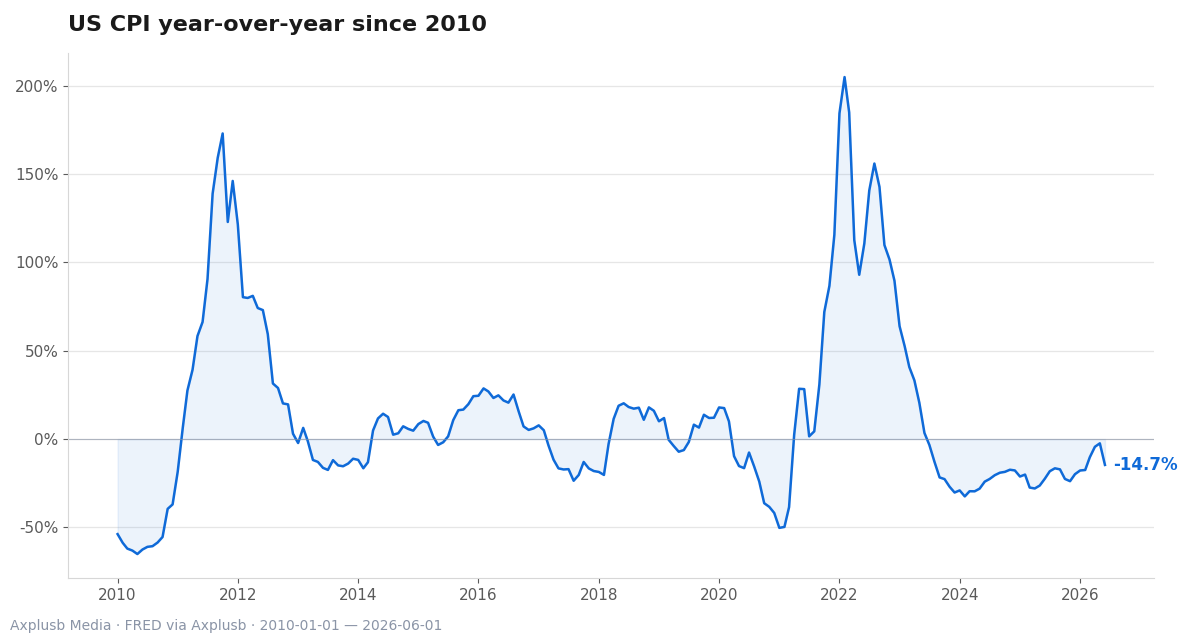
Macroeconomic regimes reshuffle which risks are rewarded. The BIS’s 2021 report tracked the path from heavy policy accommodation through reflation to rising yields, and it discussed how normalisation affects liquidity and risk premia. Those shifts set the background conditions that factor portfolios must live in.
Vanguard’s 2023 scenario work ties factor resiliency to interest‑rate and inflation regimes. It is not about a single forecast, it is about mapping how construction behaves if rates rise, fall or stay volatile. That sensibility matters when the rate and inflation cycle is no longer anchored near zero.
BlackRock frames factors as cyclical. Its factor resources outline dynamic and multi‑factor approaches, and they underline practical caveats around capacity and transaction costs. In other words, regime awareness is not market timing theater, it is about risk control and portfolio design.
This debate is live because the last decade had one macro template, then Covid and its aftermath brought another. If payoffs are cyclical and regimes change, the question is not whether to care, but how to integrate regime signals with discipline. For more context on model shifts, see Exploring the Evolving Landscape of Factor Models and Their Performance in Today’s Markets.
Common misconceptions investors bring to factor investing
Investors carry myths into factors because the language sounds clean while markets are not. Three are especially persistent. Each one has a grain of truth that gets stretched past breaking.
Myth 1: Factors are permanent and frictionless
The institutional literature stresses cyclicality and limits to arbitrage. A global review notes that factor returns vary across cycles and that implementability is constrained by turnover, capacity and costs. The implication is plain, persistence in the data does not mean a smooth line for live portfolios.
Practitioner experience echoes the same idea. The CFA Institute’s write‑up documents long drawdowns in multi‑factor strategies and calls out the behavioral strain they create. Investors need patience and risk management, not the belief that factors glide above market weather.
Myth 2: Crowding is just noise
Media coverage of factor investing’s rise highlighted commercialization, ETF adoption and debates over crowding and commoditisation. Those flows change market structure even if you cannot read them off a screen in real time. The 2021 institutional survey also points to limits to arbitrage that show up exactly when crowding bites.
None of this says factors are “dead.” It says premia can compress, drawdowns can deepen, and tail risks can change when everyone reaches for the same trade. Treat crowding as a variable, not a punchline.
Myth 3: Timing is uniformly futile
Timing is hard and the evidence is mixed. The institutional review warns against overfitted timing models and recommends parsimonious, implementable approaches. BlackRock’s perspective is not to deny cycles, but to embed disciplined rules that recognise costs and capacity constraints.
There is also emerging academic work on “factor momentum,” which studies how factors themselves display momentum patterns. Treat this as a research idea rather than an instruction manual. The bar for any timing overlay is high, and implementation costs are part of that calculus.
Construction and implementation—how choices change outcomes
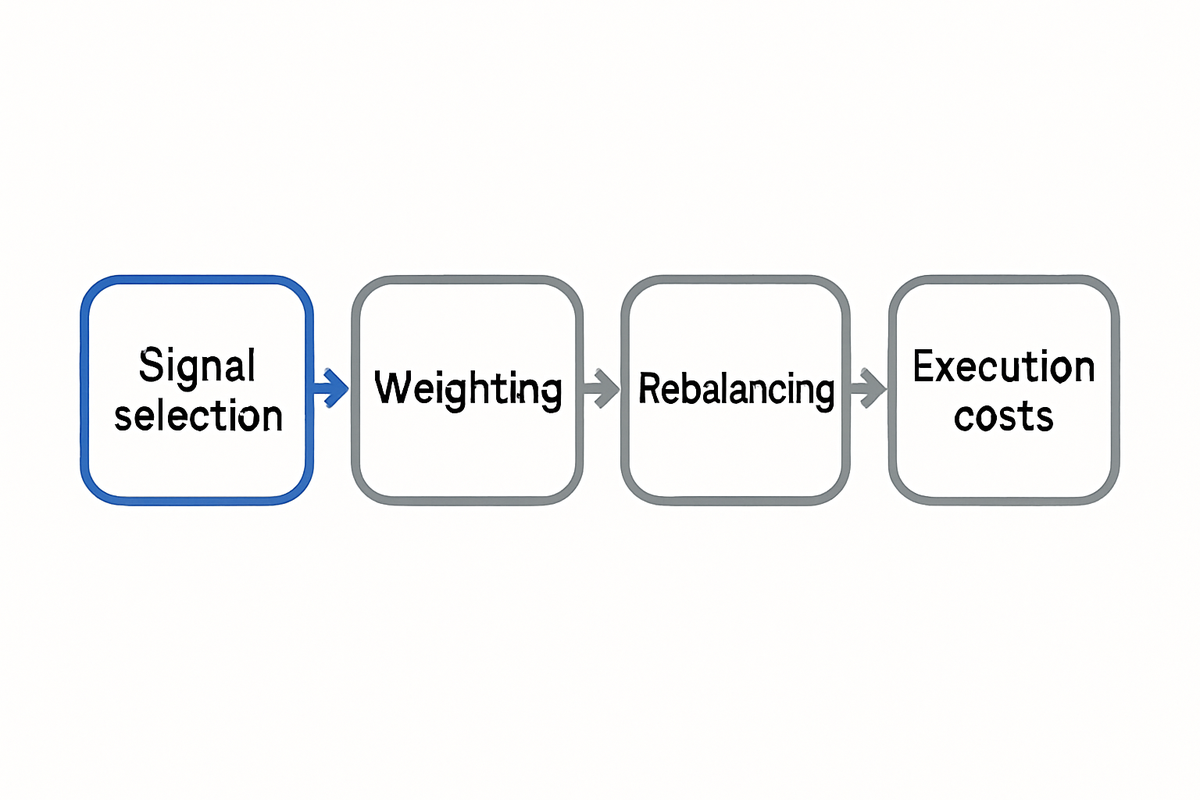
Two portfolios can carry the same factor labels and behave very differently. Vanguard’s 2023 report demonstrates that signal‑weighted construction, which overweights stronger factor signals, can change both return and risk compared with a cap‑weighted or naïve approach. It also shows the importance of scenario testing for inflation and interest‑rate regimes when selecting constructions.
Implementation lives in the details. Turnover policies interact with capacity and transaction costs, which BlackRock flags as first‑order issues. The institutional survey adds that limits to arbitrage and real‑world costs shape the feasible edge of any model.
Consider the following build‑versus‑behave map. It is a reminder to treat “how” as seriously as “what.”
| Design choice | Why it matters in live portfolios | Evidence touchpoint |
|---|---|---|
| Signal-weighted vs cap-weighted | Alters exposure intensity and risk, changes sensitivity to regimes | Vanguard 2023 |
| Rebalance frequency and turnover controls | Drives trading costs and capacity limits, affects slippage | BlackRock factor resources; Journal of Business Economics 2021 |
| Breadth across assets/regions | Diversifies cyclical payoffs, reduces reliance on one engine | Asness, Moskowitz, Pedersen 2013 |
| Execution and product structure | Costs, liquidity and tracking can dominate paper premia | BlackRock factor resources; Journal of Business Economics 2021 |
| Scenario testing for rates/inflation | Anticipates regime stress and resilience | Vanguard 2023; BIS 2021 |
Check how disciplined your portfolio really is. If your factor mix ignores costs, capacity and regimes, the label will not save the outcome.
Are factors cyclical — and can you time them?
Institutional and academic sources agree on the first part. Factors are cyclical, and their payoffs wax and wane across macro backdrops. BlackRock treats this as a design feature of dynamic and multi‑factor approaches, rather than as a reason to abandon factors.
The second part is the harder question. The academic foundation shows that value and momentum complement each other because they are often negatively correlated, which is a structural way to smooth cycles without timing. The institutional review finds mixed evidence on timing, and it urges parsimonious rules that survive costs.
There is ongoing exploration of technical overlays. Some research suggests that the returns to factors may display their own momentum patterns over time. That is an idea to test with rigor and cost budgets before making it a pillar of a live process.
A practical middle path is to combine structurally complementary factors with a light, rules‑based rotation that respects capacity and transaction costs. The aim is to let diversification do most of the work, while a disciplined overlay nudges exposures when cycles turn.
Structural risks — flows, crowding and the compression of premia
The rise of factor products changed the ecosystem. Reporting on the commercialization of factors highlighted questions about crowding and the commoditisation of once niche strategies. When flows scale up, the live experience can diverge from the backtest.
Practitioners have felt the pain. The CFA Institute’s analysis describes how multi‑factor strategies have endured long drawdowns, and it links outcomes to behavioral pressures and how investors respond to headline flows. It is a reminder that investor behavior is part of realized returns.
Academic and institutional surveys add limits to arbitrage to the picture. When capacity binds, transaction costs rise, and liquidity thins at the wrong moment, drawdowns can deepen. None of this negates premia in principle, it reshapes the risk of harvesting them in practice.
If you think of factors as an ecosystem rather than a set of formulas, your process will include monitoring flows, revisiting capacity, and stress‑testing crowded exposures. That is a portfolio‑risk function, not a marketing slide.
Scenario analysis and historical case studies that matter for today
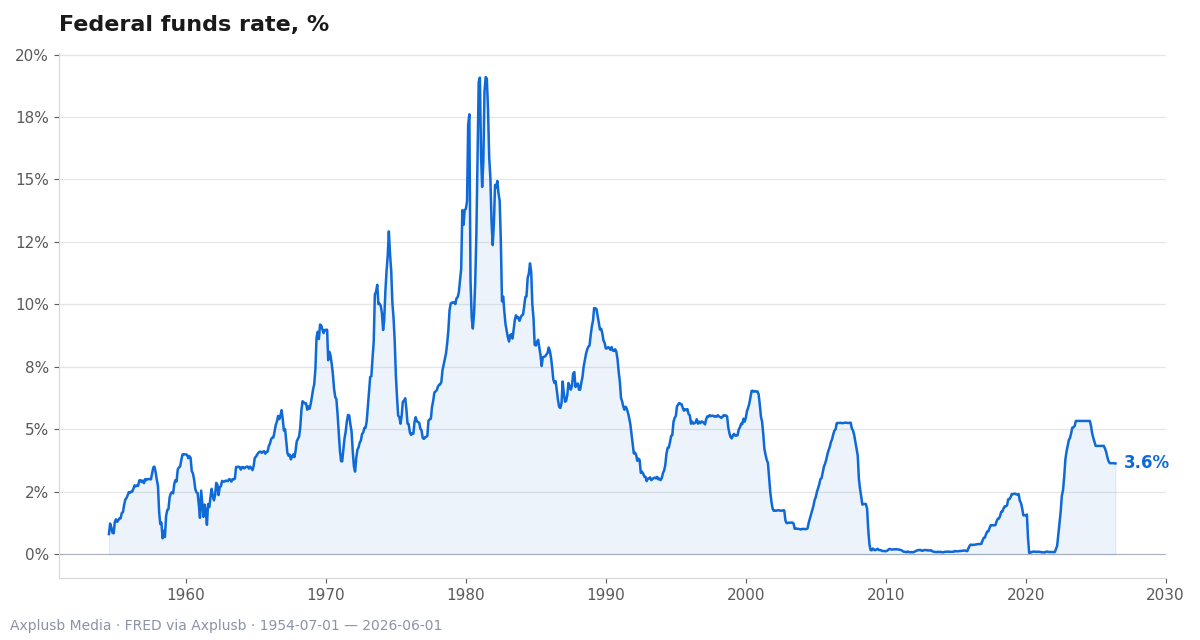
Practitioners lean on scenario analysis to avoid regime blindness. Vanguard’s 2023 work runs factors through inflation and rate regimes to see which constructions hold up better under different macro paths. The exercise is not to predict a single path, it is to pre‑commit to responses if certain states arrive.
The BIS report describes how policy normalisation changes financial conditions, liquidity and risk premia. That macro lens helps explain why certain factors might struggle when yields rise, or why others may be more resilient when liquidity tightens. Scenario thinking translates that lens into portfolio settings.
The academic baseline remains useful. The pervasiveness and complementarity of value and momentum across assets and geographies gives you building blocks that have worked in many environments. Pair that with regime maps to avoid placing all your weight on one state of the world.
A simple checklist can anchor the exercise. Define the rate and inflation states that matter, tie each to your construction, and set thresholds that change sizing or turnover. Stress‑test your factor mix against rate and inflation scenarios.
Counterarguments and alternative frameworks investors should weigh
The skeptical case is not hard to assemble. Multi‑factor strategies have lived through long drawdowns, and flows can compress premia or worsen exits in stress. Transaction costs and capacity eat into the edge, and the evidence on timing is mixed.
The institutional response is to keep models simple and implementable. The 2021 survey recommends parsimonious factor sets and cautions against complex timing that wilts under costs. BlackRock’s perspective adds capacity and execution checks as gates that any strategy must clear.
That leaves space for alternative tools at the margin. Conservative sizing and explicit hedging can help manage tails, while dynamic overlays can adjust exposures when regimes flip. For approaches that adapt to fast‑changing risk, see Dynamic Hedge Strategies: Adapting to Changing Market Conditions.
A final point is behavioral. The CFA Institute’s work underlines the need for long horizons and discipline because pain arrives before payoff. Process is your guardrail when narratives get loud.
Practical takeaways — a toolkit for investors navigating changing dynamics
Here is a concise, evidence‑anchored checklist you can apply today.
- Prefer diversified, multi‑factor portfolios built from complementary premia rather than single‑factor bets.
- Use signal‑weighted constructions where appropriate, and test them against cap‑weighted baselines for robustness.
- Bake in turnover controls, capacity limits and explicit transaction‑cost budgets.
- Map exposures to interest‑rate and inflation scenarios, then pre‑commit to how sizing or rebalance rules adapt.
- Treat timing as incremental and rules‑based, and let diversification do most of the cycle smoothing.
- Monitor crowding and flows, and size conservatively where liquidity is thin or capacity is tight.
- Keep models parsimonious, and avoid tactics that only work before costs.
- Prepare stakeholders for drawdowns in advance to protect your process when it hurts.
If you want a deeper foundation before you act, revisit the basics in Factor Investing Explained: How Quant Funds Beat the Market with Data (Structured Edition).
Related reading
- Factor Investing Explained: How Quant Funds Beat the Market with Data
- Exploring the Evolving Landscape of Factor Models and Their Performance in Today’s Markets
- Dynamic Hedge Strategies: Adapting to Changing Market Conditions