Quantitative ETF rotation sounds like a mouthful. In practice, it is a simple idea with strict rules: move capital between broad, liquid ETFs based on signals that have worked across markets and cycles. The twist today is inflation, which changes how those signals behave and how the sleeves you rotate between deliver risk and return.
What quantitative ETF rotation means in an inflationary context
At its core, rotation is a rule set. It allocates among sleeves such as equities, commodities and gold, TIPS, and factor ETFs using transparent inputs. Time series momentum, also called trend, is the cross‑asset engine. It goes long assets with positive trailing returns and steps aside from those with negative trends, a pattern that is robust across equities, commodities, FX and bonds according to Time series momentum.
Inflation demands more than trend. TIPS real yields and breakevens are forward‑looking market signals for inflation expectations and regime shifts. They are useful as macro gates for when to tilt into real‑return sleeves, even though they reflect risk premia and liquidity alongside expectations.
ETF wrappers make the allocation implementable. A practical survey highlights TIPS ETFs, commodity ETFs, gold, and natural resource equities as common inflation hedges, with mixed short‑term results and different drivers. The key is to bind selection and timing, since breakevens move for different reasons than spot commodities.
Why this matters now: inflation reshapes diversification and correlations
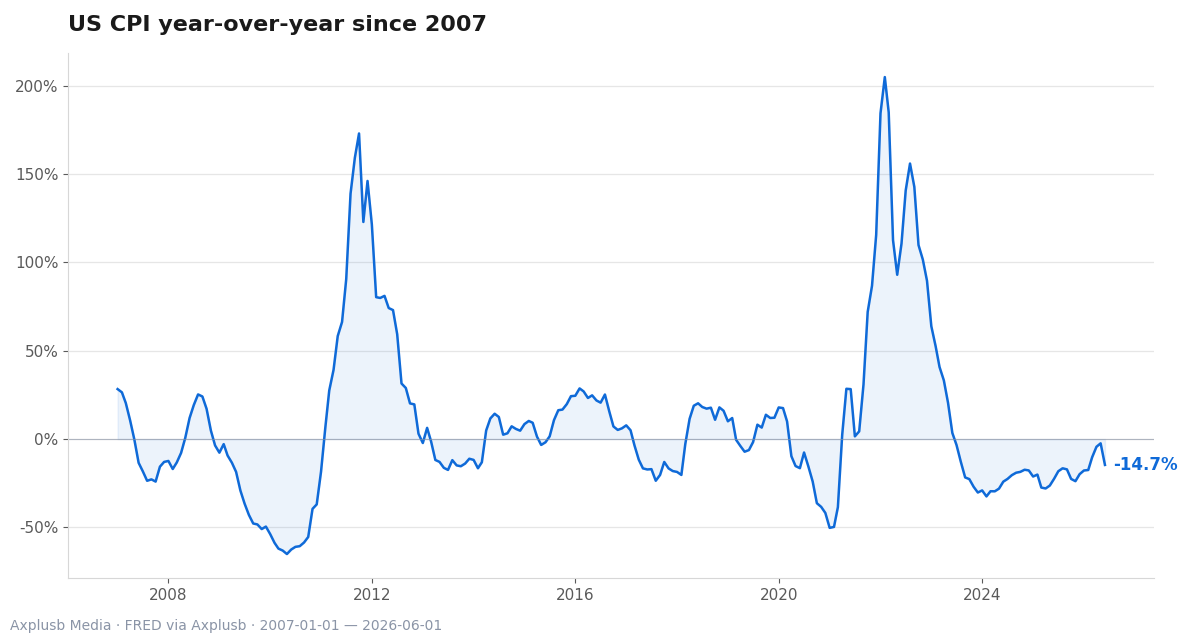
The textbook 60/40 rests on stocks and bonds offsetting each other. Upside inflation surprises can break that link. An institutional study shows the classic mix is vulnerable in such episodes, and that trend following, macro momentum, plus allocations to commodities and TIPS improve resilience during inflation shocks, as set out in When Stock–Bond Diversification Fails.
Inflation also changes the map of correlations and liquidity. A central banking perspective notes that such regimes can become self‑reinforcing and alter how assets co‑move, while gold has long‑run diversification and tail‑risk value. This is a reason to stress‑test any static mix.
Real‑yield and breakeven signals help you detect those shifts. They are informative, yet they require care because they include an inflation risk premium and respond to market depth. That is why macro gates are helpful and why a naive sector switch is not.
The core quantitative building blocks you will use
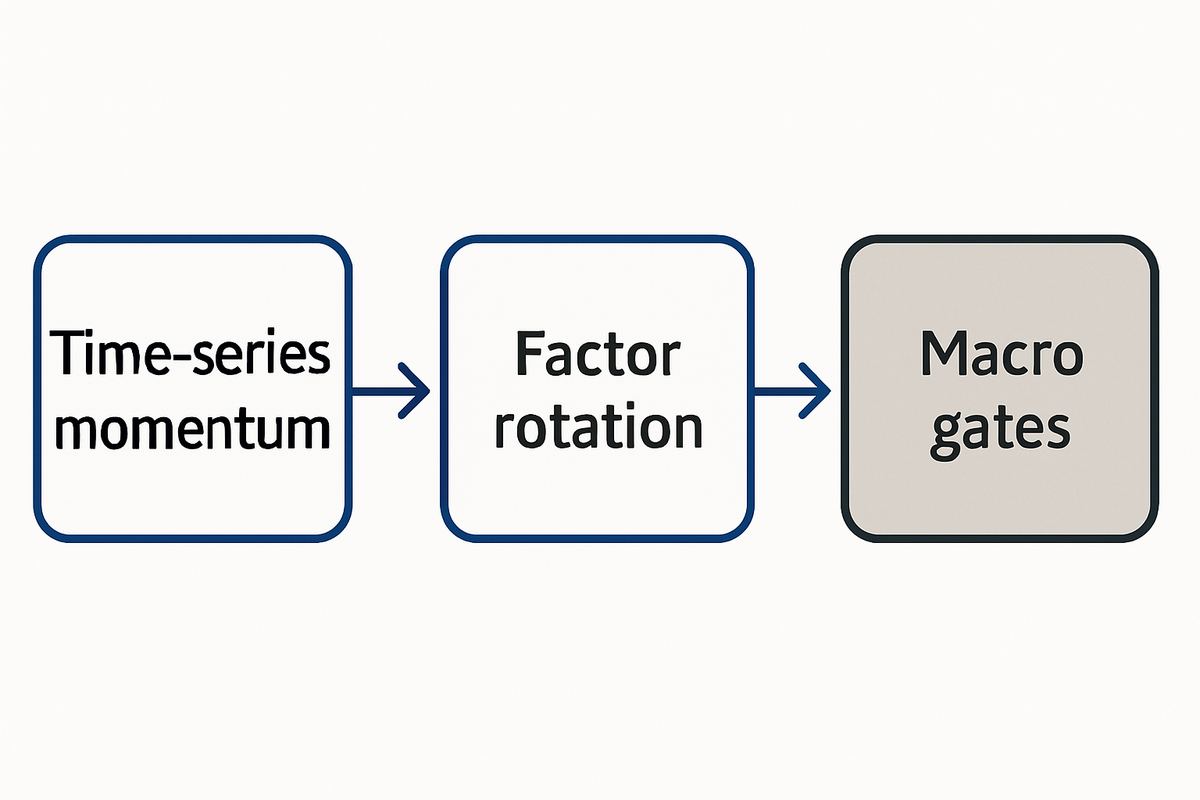
Think of an inflation‑aware rotation engine as three parts that talk to each other. First comes time series momentum, which sizes exposure to sleeves that are trending. Second comes factor rotation within equities, so you are not leaning on the market alone. Third comes macro gating that says when a tilt is allowed.
Time series momentum is the workhorse. It has evidence across asset classes and tends to help in extreme markets. That matters for inflation spikes and for the long flat stretches that follow them.
Factor rotation sits on top of, or alongside, broad equity exposure. An institutional framework argues for diversified timing across momentum, quality, low volatility, and value, with macro‑regime inputs, and finds that diversified timing can add risk‑adjusted returns. It is a template for ETF‑level implementation, as discussed in Time to tilt.
Macro gates link market action to policy and pricing. Rising real yields and breakevens can act as permissive gates for real‑asset sleeves. A policy pause may relax a growth‑factor tilt. These gates help manage whipsaw and keep turnover from spiraling.
Trend, factors, and macro signals together
Trend decides when a sleeve is in play. Factors decide which equity style earns the marginal dollar. Macro gates decide whether either is allowed to move at all.
The complement is the point. Trend can help you into commodities when they build steam. Factor tilts can favor quality or low volatility when inflation risk is high. Macro gates can prevent a rotation into value if rising real yields signal stress rather than improvement.
Common misconceptions and pitfalls to avoid
Gold and broad commodities do not always hedge inflation in the short run. A long‑run hedge can come with long stretches of noise, and real‑world ETFs track different drivers, including futures curves. Practitioner reviews of inflation ETFs show mixed short‑term outcomes and remind us that breakevens and spot are not the same thing.
TIPS breakevens are not a pure forecast. They embed an inflation risk premium and reflect liquidity conditions, which can swing during stress. Treat them as one input rather than a target to match.
Simple sector rotation is rarely enough. Inflation regimes reshape correlations and market depth. Evidence that supports trend and macro momentum should prompt gates, diversification across signals, and cost checks rather than a binary switch into energy or materials.
High turnover hides risk in plain sight. Rotation rules that improve Sharpe in tests can still lose that edge in live trading if costs and slippage are ignored. That is why cost‑aware design belongs in the spec from day one.
Strategy architectures and algorithmic blueprints
There are three common architectures for inflation‑aware rotation. Each one can be built with ETFs and rule sets you can explain to a committee. Each one has tradeoffs around speed, turnover, and operational load.
A single‑factor trend sleeve is the simplest. You apply time series momentum across sleeves such as equities, commodities and gold, and TIPS. It tends to help in extreme markets and can add ballast when inflation shocks arrive.
A multi‑factor timing stack follows a template similar to the institutional factor framework. You diversify across momentum, quality, low volatility, and value, and you layer macro‑regime signals. The case for diversified timing is to avoid reliance on one style signal at the wrong time.
Macro‑gated relative rotation brings in stress‑sensitive rules. Recent research describes a macro‑gated and relief‑gated design that improved out‑of‑sample Sharpe and drawdown control when used to rotate between equity ETFs, while noting high turnover tradeoffs. The same blueprint can gate rotations between equity, commodities, and TIPS sleeves during inflation states.
Machine‑assisted macro priors are experimental but instructive. A multi‑agent framework with hawkish and dovish priors showed modest Sharpe gains for commodity and ETF portfolios in certain regimes and flagged sensitivity to costs. If used, such priors should be capped and combined with rules, not left to roam.
| Architecture | Primary signals | Typical sleeves | Strength in inflation | Main tradeoffs |
|---|---|---|---|---|
| Single-sleeve trend | Time series momentum | Equities, Commodities/Gold, TIPS | Helps in extreme markets; fast to adapt | Whipsaw risk; simple rules can overtrade |
| Multi-factor timing | Momentum, Quality, Value, Low Vol with macro inputs | Factor ETFs within equities plus real-return sleeve | Diversified style exposure; regime-aware tilts | Complexity; signal conflicts; needs guardrails |
| Macro-gated relative rotation | Relative strength plus macro/stress gates | Equity vs Real-return sleeves; growth vs value | Improved drawdown control; avoids bad states | Higher turnover; cost sensitivity; live-test needs |
| Machine-assisted priors | Constrained macro priors plus rules | Commodity and tilt sleeves | Modest gains in some regimes | Regime dependence; experimental; governance load |
Implementation details: ETF selection, trading costs, and constraint design
The ETF wrapper changes what you are actually holding. A TIPS ETF tracks real yields and breakevens. A commodity ETF may hold futures and pay a roll cost if the curve is in contango. A gold ETF offers long‑run diversification and tail protection but does not promise a one‑for‑one link to monthly CPI.
Transaction costs can erase paper edges. Macro‑gated designs and machine‑assisted overlays both note sensitivity to costs and turnover. You need turnover budgets, minimum holding periods, and filters that slow trading when signals cluster.
Selection filters should be blunt and clear. Favor high liquidity, tight spreads, and simple wrappers. Be explicit about futures‑based funds, since their drivers include carry and roll as well as spot moves.
Walk‑forward validation and stress tests are not a luxury. A relief‑gated rotation study used out‑of‑sample checks and documented turnover tradeoffs. Your process should do the same and include stress runs for correlation shifts and thin liquidity.
Evidence and case studies that support rotation for inflation resilience
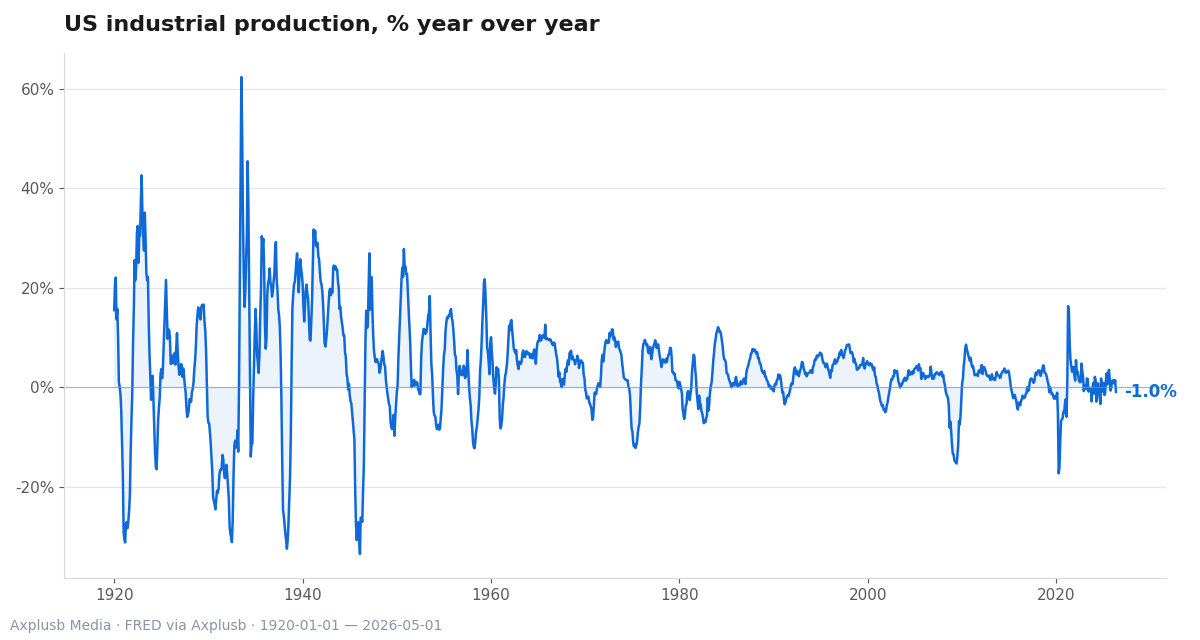
The empirical base for trend is broad. The cross‑asset evidence shows time series momentum exists across equities, commodities, FX, and bonds. Diversified trend portfolios delivered sizeable abnormal returns and performed well in extreme markets, as documented in Time series momentum.
The case for moving beyond static 60/40 during inflation shocks is also clear. An institutional white paper shows that trend following, macro momentum, and real‑return sleeves like commodities and TIPS made portfolios more resilient when inflation surprised to the upside, as shown in When Stock–Bond Diversification Fails.
Factor timing can help within equities. A diversified, macro‑aware rotation across momentum, quality, low volatility, and value is an institutional framework, and its thesis is that timing can add risk‑adjusted returns when you diversify signals, as outlined in Time to tilt.
ETF selection is the last mile. A practitioner survey of inflation hedges points to TIPS, commodity, gold, and natural resource equity ETFs and notes mixed short‑term performance. That aligns with the need for rules that look past labels and read the actual drivers.
Counterarguments, limits, and regime dependence
Rotation is not magic. The same studies that support it also describe its limits. Gains can be regime‑specific, and some inflation episodes can be choppy rather than trending. That is when trend and macro priors can fail together.
Turnover is a central risk. Macro‑gated equity rotation improved out‑of‑sample Sharpe and drawdown, yet the authors flag high turnover as a tradeoff. Machine‑assisted priors also show cost sensitivity, which can wipe out modest gains.
Measurement risk is real. Breakevens mix expectations, risk premia, and liquidity. Gold hedges long‑run inflation yet can suffer in short bursts when liquidity dries up. Any rule that treats these signals as pure and stable will overfit history.
Governance matters for experimental layers. Multi‑agent macro priors are still new. They belong under strict caps and with clear escalation paths. Use them as a nudge, not a driver.
Practical conclusions, tools, and a short checklist
A good rotation rule is not complex, it is complete. It blends a tested trend engine, diversified factor timing, and crisp macro gates, then limits frictions. It leans into real‑return sleeves when signals align and stands down when markets turn noisy.
Below is a short build checklist you can adapt.
- Define sleeves: equities, commodities and gold, TIPS, and factor ETFs within equities.
- Select primary signals: time series momentum plus macro gates from real yields, breakevens, and policy tone.
- Add factor timing: diversify across momentum, quality, low volatility, and value in a single equity sleeve.
- Enforce costs: cap turnover, add minimum holds, and use spread and AUM filters.
- Validate live: use walk‑forward tests and document turnover tradeoffs before deployment.
- Stress‑test: shift correlations and cut liquidity in scenarios to test gates and exit rules.
- Govern overlays: if you use machine‑assisted macro priors, cap their influence and log overrides.
If you want a deeper dive into model overlays, see Leveraging Machine Learning for Enhanced ETF Rotation Strategies for design patterns and guardrails. For portfolio defense during regime shifts, review Dynamic Hedge Strategies: Adapting to Changing Market Conditions.
Rotation only works if you can follow it. Discipline is a feature, not a constraint. For the human layer, start with The Role of Investor Psychology in Volatile Markets: Strategies for Resilience to set habits that survive drawdowns.
Check how disciplined your portfolio really is. A simple turnover audit can reveal more than another backtest.
Related reading
- Leveraging Machine Learning for Enhanced ETF Rotation Strategies
- Dynamic Hedge Strategies: Adapting to Changing Market Conditions
- The Role of Investor Psychology in Volatile Markets: Strategies for Resilience